About Nyika National Park
Nyika is Malawi's largest national park, sitting on a vast high-altitude plateau (around 2,000m+). It's known for rolling grasslands, wildflowers, zebra, eland, roan antelope, and leopards. It's great for hiking, mountain biking, and horseback safaris, with a cool climate quite unlike the rest of Malawi.
Best Time to Visit
May to October (dry season) is best for game viewing and hiking, with clear skies and cool temperatures on the plateau. The wildflower season peaks from December to March, when the plateau transforms into a carpet of orchids, proteas, and lilies — spectacular but trails can be muddy. June to August nights are very cold (near freezing).
Activities
Experiences at Nyika National Park
Birdwatching
USD 15-25 per person (guide fee)
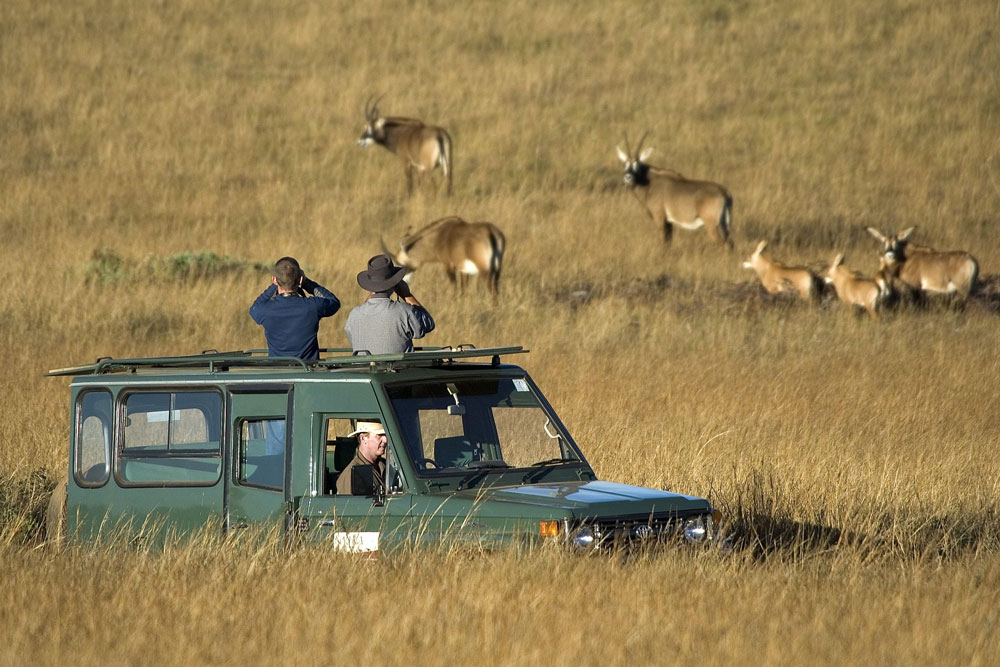
Game Drives
USD 30-50 per person
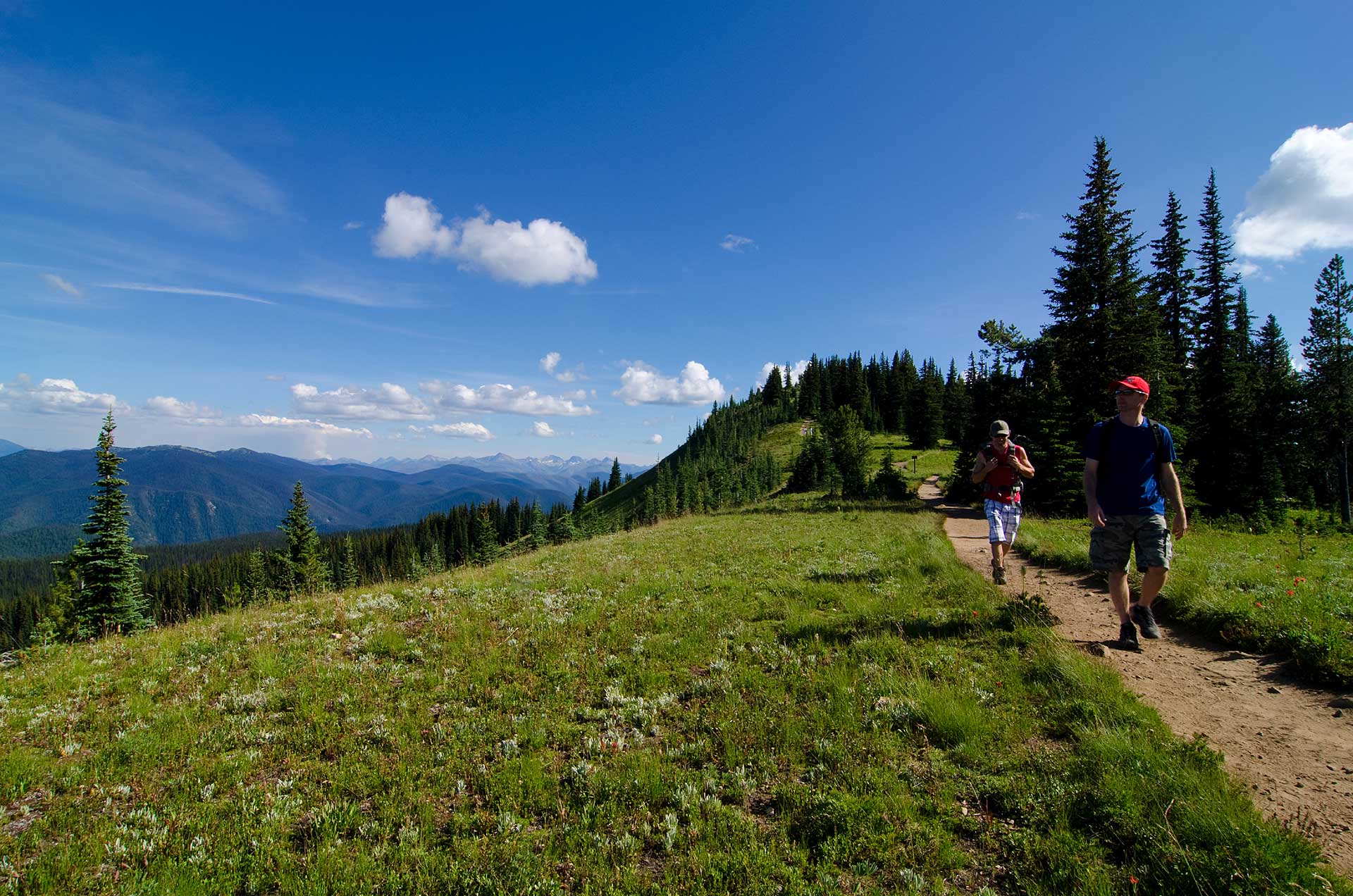
Hiking
USD 15-25 per person (guide fee)
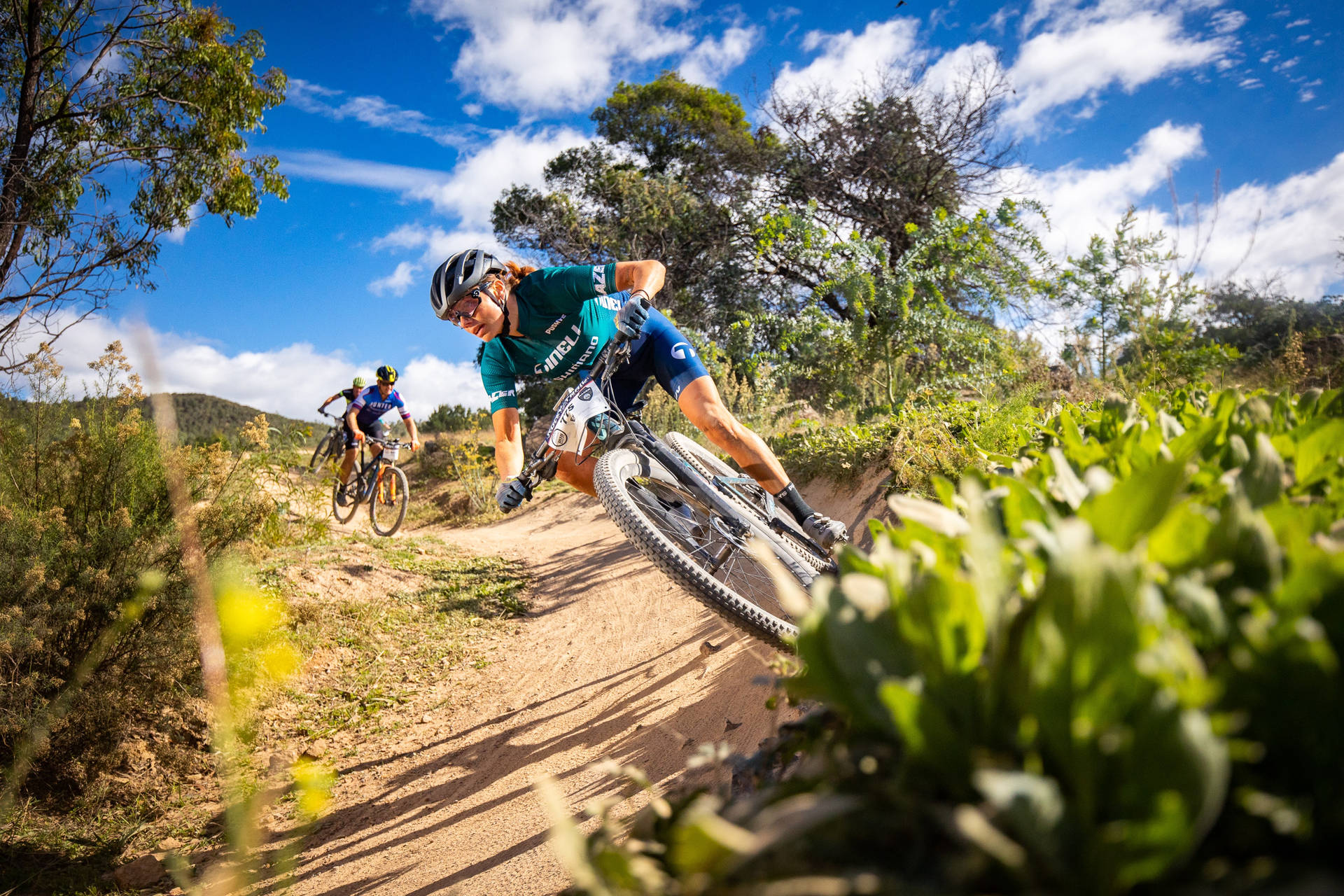
Mountain Biking
USD 15-25 (bike hire)
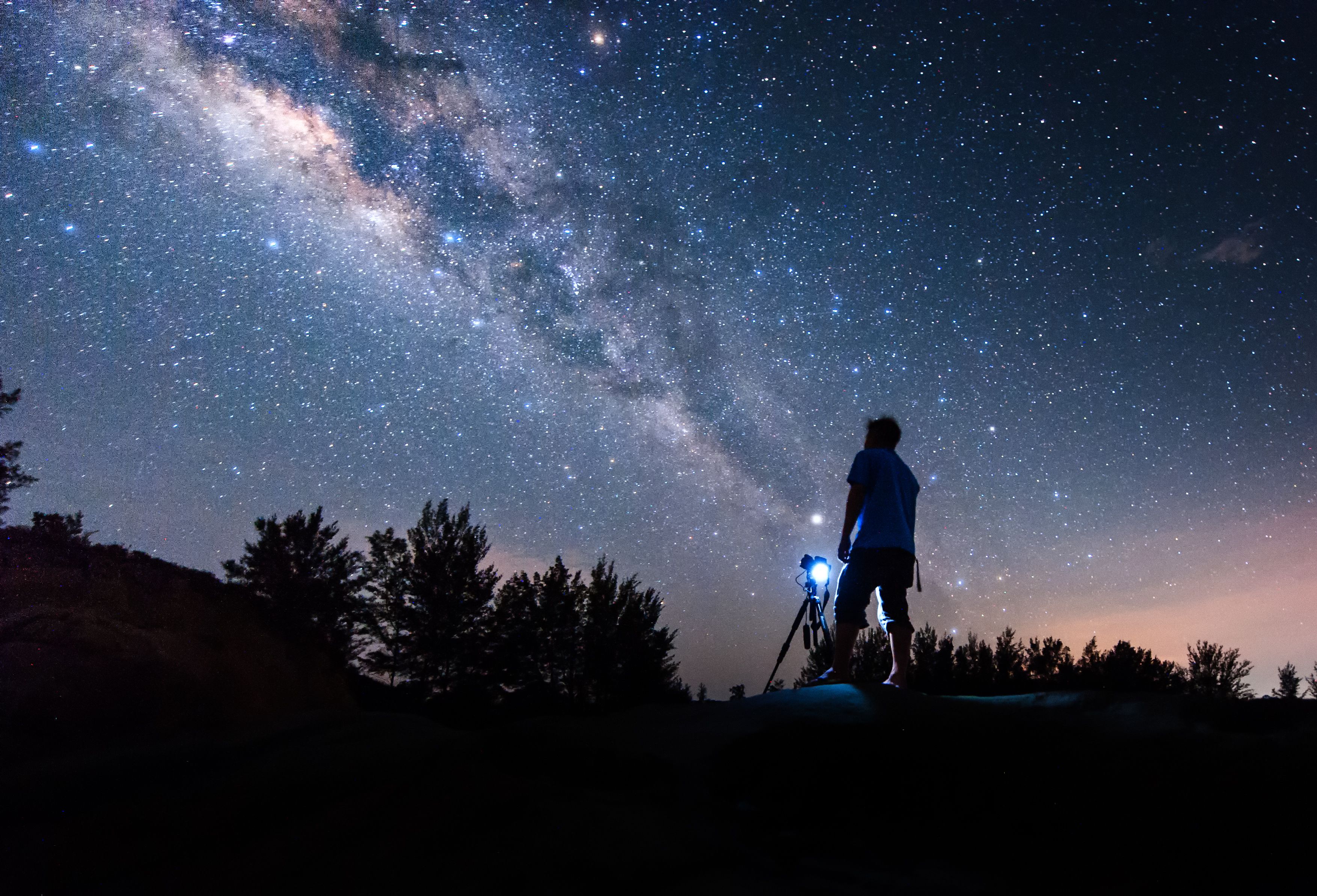
Stargazing
Free
Wildflower Walks
USD 15-25 per person (guide fee)
Where to Stay
Accommodation at Nyika National Park
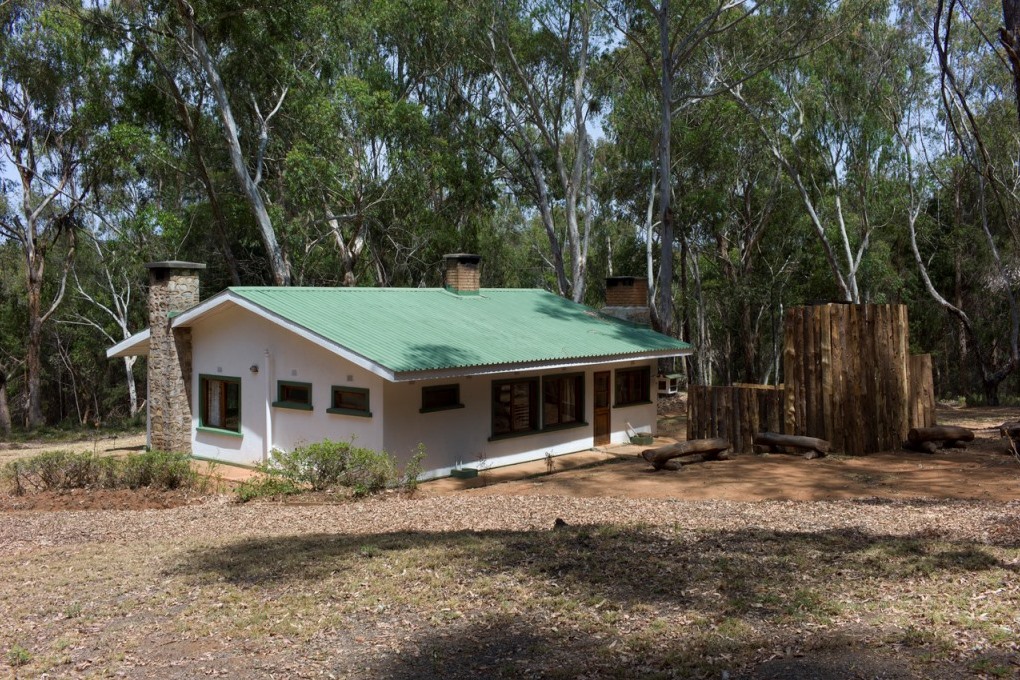
Chelinda Camp (self-catering cabins)
Eco Camp
USD 30-60 per person per night
A more budget-friendly option near the lodge. Basic but functional cabins with beds, kitchen facilities, and fireplaces. You need to …
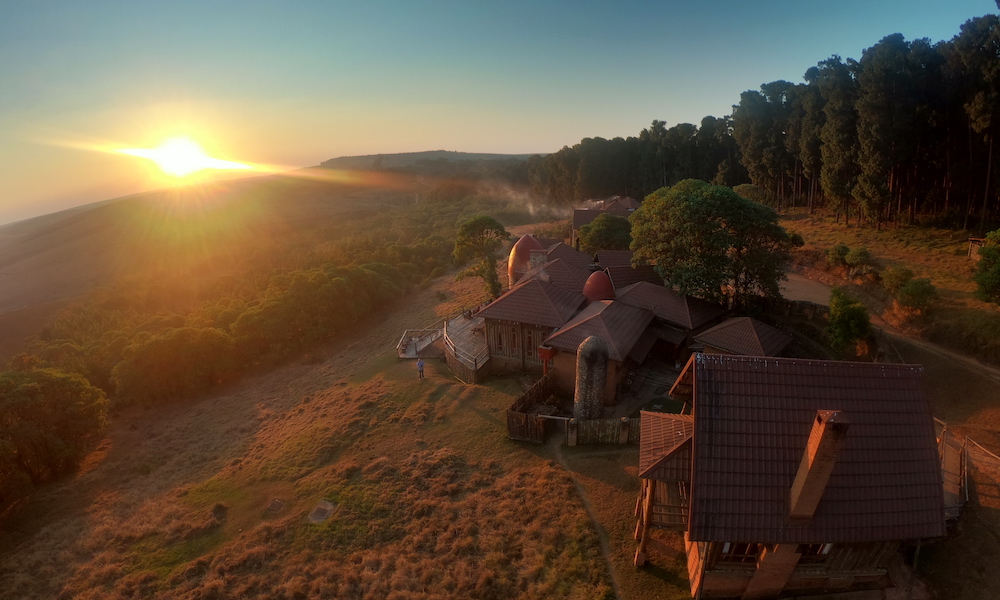
Chelinda Lodge
Mid-Range
USD 150-300 per person per night
The main upmarket option on the plateau. It offers comfortable rooms with en-suite bathrooms, a lounge with fireplace, and meals …
Getting There
Nyika is in northern Malawi, about 6-8 hours from Lilongwe by road. The main access is via Thazima gate, from where a steep, winding dirt road leads 60 km to Chelinda (the park headquarters). 4x4 recommended. The nearest town is Rumphi (about 55 km from Thazima). Some lodges arrange transfers from Mzuzu or Lilongwe. There is also an airstrip at Chelinda for charter flights.
Practical Tips
Know before you go
Park Fees
Entry fees are approximately USD 10 per person per day for international visitors, plus vehicle fees. Pay at Thazima gate on entry. If staying at Chelinda Lodge, fees may be included in your rate — confirm when booking.
Fuel and Supplies
There are no fuel stations, shops, or ATMs in the park. Fill up your tank and buy all supplies in Mzuzu or Rumphi before entering. Self-catering visitors to Chelinda Camp must bring all food and cooking supplies.
Cold Weather Preparation
Nyika is the coldest part of Malawi. Temperatures can drop below freezing at night, especially June to August. Pack warm layers, a fleece, hat, and gloves. Lodges have fireplaces and blankets, but warm sleepwear is essential.
4x4 Required
A 4x4 vehicle is strongly recommended for the steep and winding access road from Thazima gate to Chelinda (about 60 km). In the wet season, the road can be very slippery. Some sections are rocky and steep year-round.