
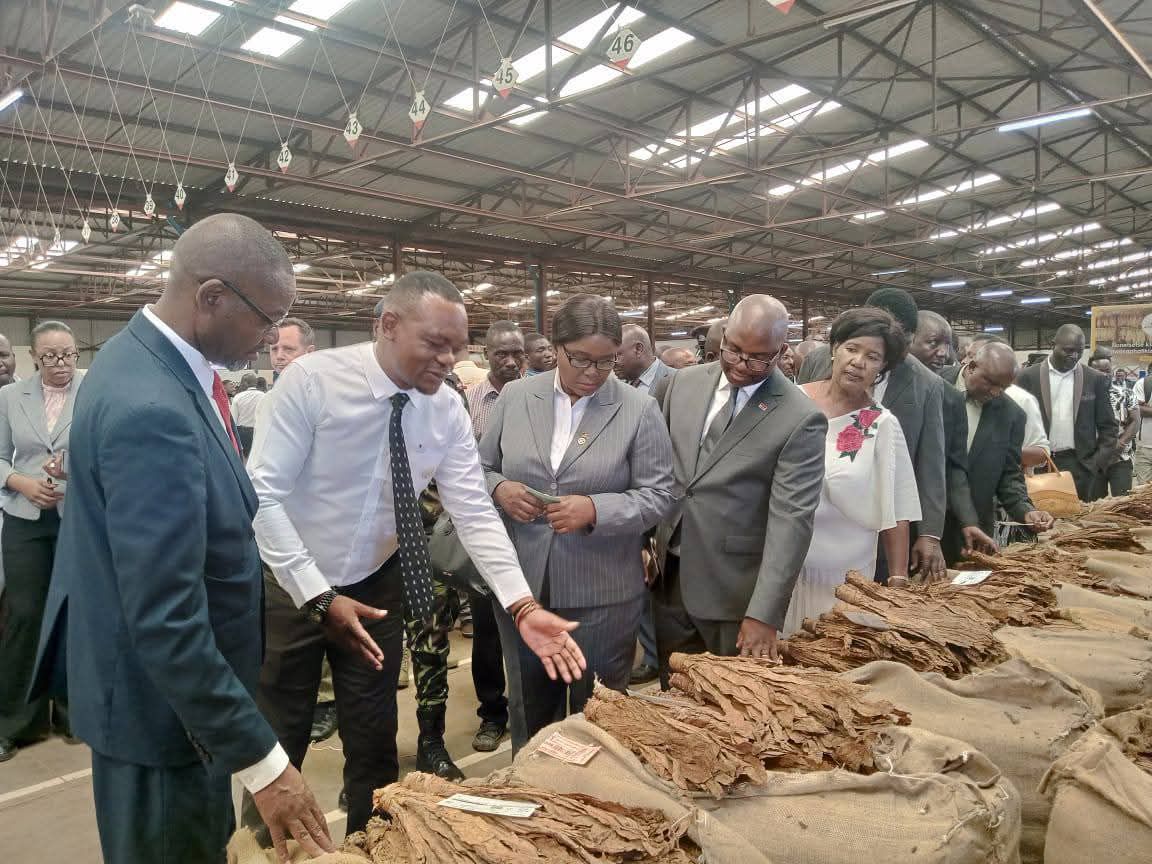
Update: The Tobacco Commission, buying companies, and the Ministry of Agriculture have convened emergency high-level talks following extreme leaf rejection rates at the auction floors, according to The Atlas Malawi. Tobacco Commission spokesperson Telephorus Chigwenembe confirmed that rejection levels have surged to between 95 and 100 percent in some daily sales since the 2026 marketing season opened. The authorities are currently negotiating practical interventions to stabilize the market and ease the rigid purchasing criteria.
In other agricultural developments, a new hybrid maize variety blending Chinese germplasm with local Malawian seeds is showing strong results, China.org.cn reports. Backed by the China-Malawi Agricultural Technology Cooperation Center, the initiative has introduced high-yield crop varieties and water-saving irrigation technologies to local farmers. The program has reportedly increased maize yields in pilot areas from less than 4.5 tons to over 7.5 tons per hectare, helping smallholder farmers achieve food self-sufficiency.
On the national market, maize prices remain stable or are experiencing declines due to abundant supply conditions and favorable harvest prospects. A Global Price Watch report published by the Famine Early Warning Systems Network on April 30 noted that adequate local grain stocks and weak consumer demand have kept prices suppressed across most Malawian markets.
Economic analysts are also pressing for stronger domestic investments to shield the agricultural sector from external shocks. Writing for Nyasa Times, economist Dr. Greenwell Matchaya cautioned that rising global fuel prices threaten to increase the costs of fertilizer, mechanization, and transport for local farmers. Concurrently, financial commentator Mike Mangaye urged Malawians to prioritize investments in agribusiness, irrigation, and crop storage over the stock exchange, arguing that tangible agricultural production is essential for national food security and job creation.