
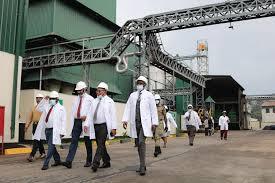
Malawi is struggling to meet the industrialisation targets outlined in its long-term development plan, Malawi 2063. According to a May 25 report from the Mail & Guardian, the government's Economic and Fiscal Policy Statement 2026 indicates that while 87 percent of planned industrial activities have been initiated, only 40 percent are on track to meet their goals. Persistent foreign exchange shortages continue to limit the sector. The Reserve Bank of Malawi projects a modest manufacturing expansion of just 2.5 percent for 2026, which follows a previous 14.4 percent decline in overall industrial output.
The ongoing economic crisis and strict government expenditure cuts are also straining public institutions. On May 25, Nyasa Times reported that the Malawi Electoral Commission appealed to Parliament's Public Appointments Committee for improved benefits. Commission chairperson Annabel Mtalimanja stated that high inflation, escalating fuel prices, and mandatory austerity measures have severely eroded the value of their compensation. She noted that commissioners have faced a 30 percent reduction in fuel entitlements along with downgrades to their travel allowances.
Update: In an extension of the ongoing international funding shortfall, United Nations agencies operating in Malawi are preparing for significant local downsizing. According to a May 26 report by Nyasa Times, the international body faces a 30 percent global funding decline. This deficit will force its Malawi operations to cut staff by 25 to 40 percent. UN representative Rabecca Adda-Dontoh confirmed the impending cuts during a steering committee meeting in Lilongwe, stating that the financial shock will force agencies to scale down humanitarian and development services across the country.
Update: Following previous presentations in London, the government is taking further steps to align the education sector with domestic labour market demands. According to the Ecofin Agency on May 26, Education Minister Bright Msaka met with a British delegation in Lilongwe to discuss introducing entrepreneurship courses and expanding digital learning tools. The policy shift aims to address high youth unemployment in an economy where approximately 270,000 young Malawians enter the job market annually, but only about 40,000 formal jobs are created.