
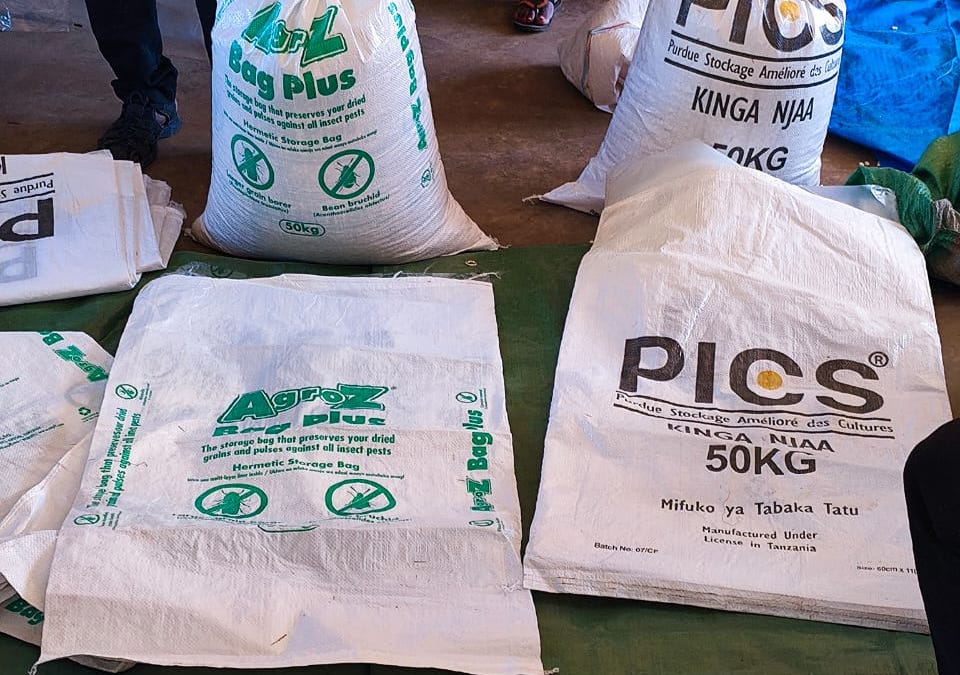
The National Smallholder Farmers' Association of Malawi (NASFAM) has launched a new project to reduce severe post-harvest crop losses, according to AfricaBrief. Partnering with Opportunity International and funded by AGRA, the three-year Post-Harvest Loss Reduction for Improved Farmer Livelihoods in Malawi (PRIME) initiative aims to assist 165,000 maize and soya farmers across Mchinji, Nkhotakota, Lilongwe, and Mzimba. The United Nations Food and Agriculture Organization estimates that Malawi loses between 20 and 30 percent of its crop produce after harvest due to poor storage and weak handling systems.
In tobacco news, high rejection rates continue to affect the auction floors even though buyers are honouring agreed minimum prices, Nation Online reports. Tobacco Farmers Association of Malawi Trust president Abel Kalima-Banda noted that the market is struggling with excess supply. The 2026 Second Round Tobacco Production Estimates Survey indicates Malawi is projected to produce 197 million kilogrammes of tobacco, exceeding the buyer requirement of 170 million kilogrammes by 14 percent.
A related report by Drug Fight Malawi highlighted the domestic health impact of the cash crop, revealing that over 5,000 tobacco-related deaths are recorded annually in the country. According to EnviroNews, Executive Director Nelson Zakeyo stated that smoking-related illnesses cost Malawi an estimated K55 billion each year. He urged the government to implement strict tobacco control policies despite the country's economic reliance on the leaf for foreign exchange.
To ease local food insecurity, Democratic Progressive Party Member of Parliament for Nkhata Bay Mpamba, Jacob Mtambalika, distributed maize and cash to over 200 vulnerable families in his constituency. Nyasa Times reports that the intervention targeted elderly citizens and child-headed households who are struggling with rising living costs and nationwide grain shortages.
Update on agricultural infrastructure: Nation Online reports that Wait Holdings, a local fertiliser blending firm that recently commissioned its Lunzu facility in Blantyre, has committed $5 million to expand its production capacity and distribution network. Producing up to 50 metric tonnes per hour under the MlimiFert brand, the company plans to open regional outlets in Lilongwe and Mzuzu later this year to reduce Malawi's reliance on expensive imported fertiliser blends.