
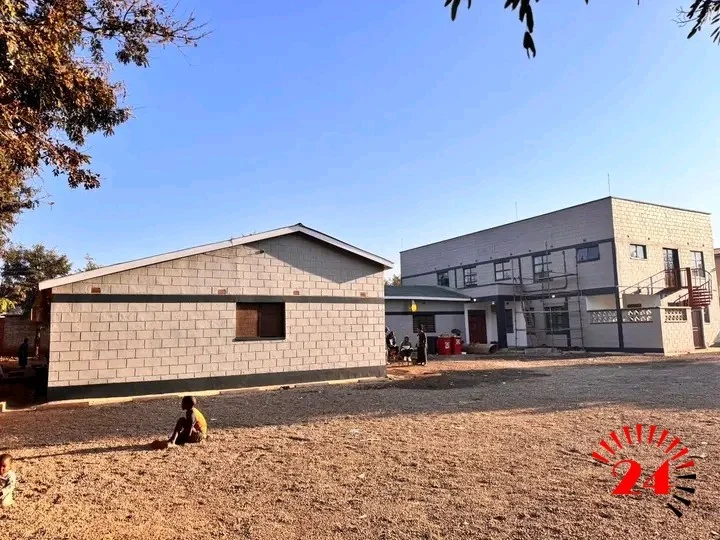
The Malawian government has officially commissioned a K1.1 billion extension at the Chinsapo Health Centre in Lilongwe, aimed at improving care access and easing congestion at major facilities like Bwaila and Kamuzu Central hospitals. According to Malawi24 and the Malawi Broadcasting Corporation, the upgraded facility will serve a catchment population of over 74,000 people. It introduces new laboratory services, outpatient care, and specialised support for patients with non-communicable diseases. The clinic extension is backed by the AIDS Healthcare Foundation, an organization that provides care for an estimated 54,000 HIV clients nationally. Minister of Local Government Ben Malunga Phiri described the project as a practical example of how decentralised management can improve public healthcare delivery.
To combat child mortality, Malawian medical facilities are adopting artificial intelligence in pediatric wards. According to El País, the IMPALA AI-assisted monitoring system is now active in more than 20 hospitals across the country, with over 300 monitors installed. The technology helps health workers track patient vital signs to detect early deterioration and rapidly identify life-threatening conditions.
Mental health and trauma rehabilitation initiatives are also expanding at the Dzaleka Refugee Camp. According to an NPR broadcast via WFAE, yoga has emerged as a popular coping mechanism for the camp's 60,000 residents, many of whom are recovering from the trauma of fleeing conflict zones. Led by refugee Donatien Fundi in partnership with a United States-based instructor, the program uses movement and mindfulness practices to support the psychological well-being of the camp population.