
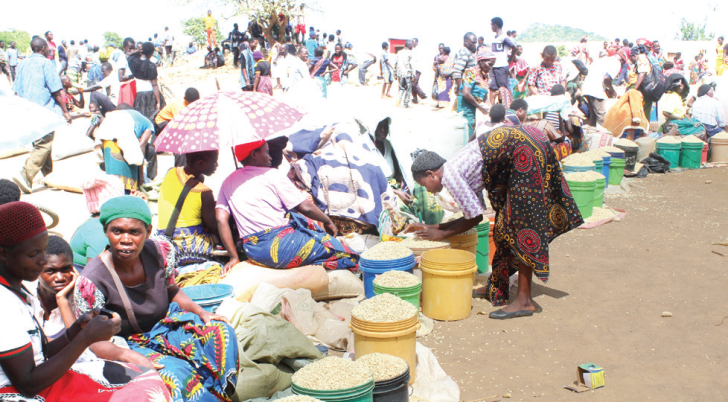
Update: A new International Food Policy Research Institute study shows that Malawi's strategic grain reserves are failing to stabilize maize prices, Nation Online reports. The research points to poorly timed market interventions, regional market behaviors, and financing issues as the main causes. According to the study, smallholder farmers often sell large portions of their harvest immediately to cover debts and household expenses, which reduces market supply later in the year and drives up consumer prices.
Update: The Tobacco Commission plans to limit tobacco production for the 2026 to 2027 farming season to prevent further oversupply, according to Malawi24. This policy follows earlier market gluts, though recent data from the commission shows the buyer rejection rate has now declined to 40 percent, as reported by Nation Online. The commission noted that cumulative sales have reached $106.8 million from 51 million kilograms of tobacco sold at an average price of $2.08 per kilogram.
Meanwhile, the Roads Authority has issued a warning to farmers cultivating crops along road reserves, stating that the practice is illegal and offenders will lose their fields, according to Malawi24. On the food security front, Malawi24 reports that domestic maize prices have started to drop as the main harvest progresses. However, a recent assessment by the Famine Early Warning Systems Network indicates that despite a production increase, the national harvest will still fall about 200,000 metric tonnes short of the country's annual requirement of 3.5 million metric tonnes, AgriFocus Africa reports.