
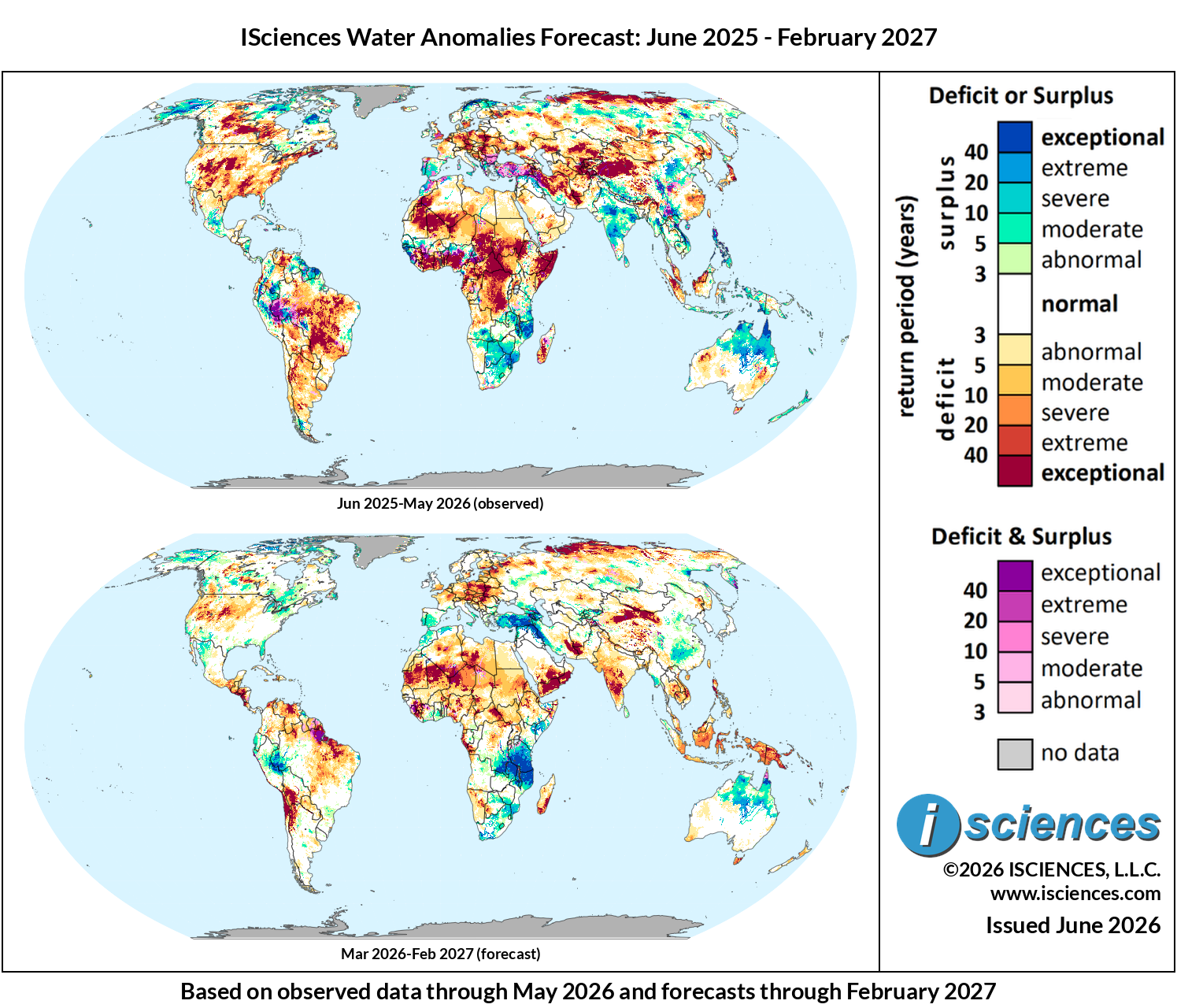
Extreme weather events continue to affect Malawi and the broader southern African region. According to the ISciences Worldwide Water Watch List released on June 15, La Niña-driven flooding has severely affected the area in recent months, causing widespread displacement. A rapid attribution study cited in the report indicates that extreme rainfall spells across the region have become approximately 40 percent more intense than in pre-industrial times.
The financial burden of these climate shocks is straining local relief efforts. Nation Online reports that Malawi's 2026 National Flood Response Plan requires nearly K49 billion, but authorities have only secured a fraction of the necessary funds. Because of these funding gaps, the World Food Programme has been forced to scale back its operations, reaching only one million of the four million Malawians projected to face acute food insecurity during the current lean season.
Conservationists are also warning of further environmental stress. On June 15, the International Fund for Animal Welfare cautioned that hotter and drier conditions expected from an upcoming El Niño event will place heavy pressure on wildlife and ecosystems across Africa. The organisation stressed that climate change is amplifying extreme weather and outpacing nature's ability to recover, calling for urgent climate adaptation measures and early warning systems to protect vulnerable communities and biodiversity.