
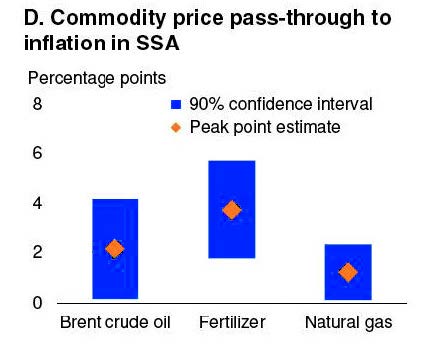
Malawi's economic recovery has suffered a setback as the World Bank downgraded the country's economic growth forecast from 2.6 percent to 2.3 percent, according to Nation Online. The June 2026 Global Economic Prospects Report cited weaker global demand, rising energy costs, and tighter financial conditions as primary drivers for the revision. Some economists warned that the downgrade reflects weak and misaligned economic planning, while Mzuzu University lecturer Christopher Mbukwa specifically cautioned that the outlook signals a weak recovery path and risks rising poverty. The World Bank noted that structural reforms and trade policy adjustments will only partly offset global headwinds, leaving import-dependent countries like Malawi vulnerable to inflation and constrained public finances.
Compounding the nation's financial pressures, a new Devex report highlighted that recurrent climate extremes are trapping Malawi in a cycle of debt. Between 2015 and 2023, climate-related disasters cost the country an estimated $1.2 billion in damages, with recovery needs now exceeding $1.7 billion. The frequent droughts and floods repeatedly force the government to divert vital development funds into emergency disaster relief. This persistent diversion of resources undermines long-term economic growth and forces the state into further borrowing, reducing investments in critical sectors such as agriculture, health, and education.
Meanwhile, local business groups are pressing for rapid economic reforms and policy interventions. The Employers Consultative Association of Malawi stated that a recent 6.93 percent reduction in petrol prices has yet to provide meaningful financial relief to households, Nation Online reports. In response to the challenging macroeconomic environment, the Economics Association of Malawi has publicly urged the government to prioritize the completion of an International Monetary Fund deal to help stabilize the economy.
In the financial sector, the Reserve Bank of Malawi has announced new measures to enforce industry regulations. According to Nation Online, the central bank is stepping up its collaboration with the Ministry of Labour, Skills and Innovation to enhance the inspection and monitoring of the Pension Act, aiming to guarantee strict pension compliance across the corporate sector.