
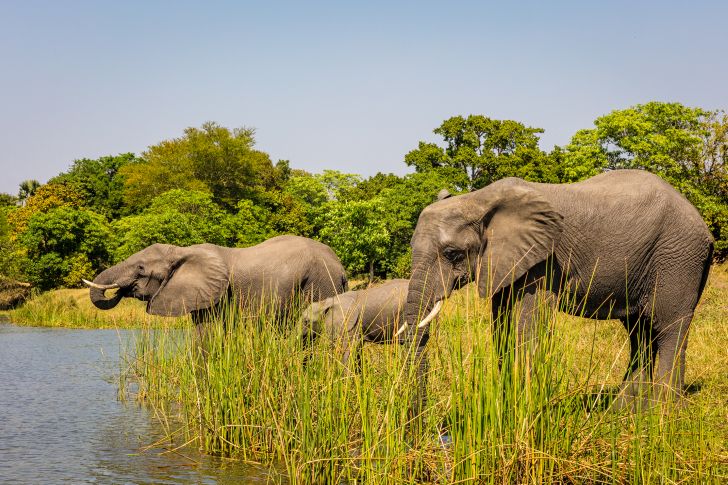
Unregulated gold panning is threatening Malawi's wildlife sanctuaries, including the Nkhotakota Wildlife Reserve, according to Nation Online. William Mgoola, director of research at the Department of National Parks and Wildlife, informed the Parliamentary Committee on Natural Resources, Energy and Climate Change that game rangers have recorded a high volume of illegal mining activity. Mgoola noted that the trail of environmental destruction extends from the small Mwabvi Wildlife Reserve in Nsanje District to the massive Nyika National Park along the Zambian border.
The illegal mining threat emerges just as Malawi records a recovery in its protected species. Nation Online reports that the national elephant population has increased from 1,419 in 2015 to 2,400 today. The recovery is so pronounced that conservationists with African Parks have started administering contraceptive injections to lionesses to safely control predator populations in the reserves. Separately, African Parks announced this week that Majete Wildlife Reserve has recorded zero rhino and elephant losses to poaching since their partnership with the government began, according to Malawi Tourism.
Meanwhile, an investigative report published by Oxpeckers Environmental Journalism highlights the ecological costs of Malawi's expanding mining sector. The investigation by journalist Mbauwo Chavula found that coal and mineral operations in Karonga District have resulted in severe coal dust pollution and contaminated rivers. According to the report, proposed mining activities by Akatswiri Mineral Resources also threaten a planned $30 million micro-hydropower plant managed by the Mulanje Mountain Conservation Trust, a facility intended to prove that environmental protection and local development can successfully coexist.