
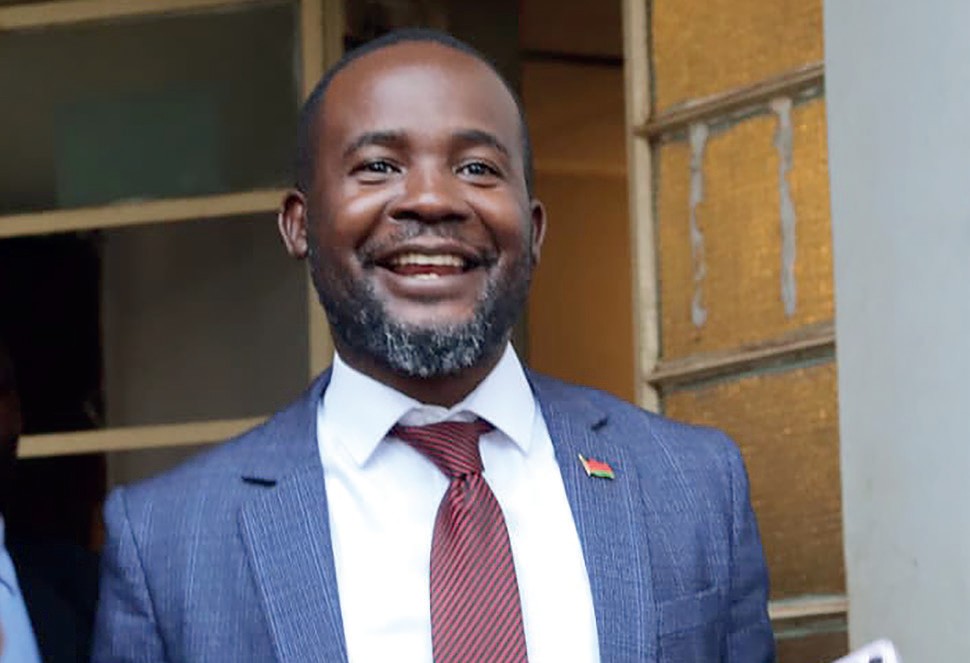
Update: Malawi's K11 trillion 2026/27 national budget is facing scrutiny as key economic forecasts fall short barely three months after approval, according to Nyasa Times and Malawi Nation. Finance Minister Joseph Mwanamvekha originally anchored the budget on a projected economic growth rate of 4.1 percent and an end-year inflation target of 15 percent. Independent economists and international financial institutions now warn that the economy is struggling to meet these assumptions.
The World Bank has cut its projection for Malawi's economic growth to 2.3 percent, nearly half of the government's initial target, Nyasa Times reports. Inflation is expected to remain above 20 percent, with current projections pointing to nearly 22 percent. The changing outlook means the purchasing power gains from recently cheaper maize could be erased, as imported goods remain expensive due to ongoing foreign exchange shortages.
Public debt is expected to reach 92.3 percent of Gross Domestic Product. This places Malawi among the most heavily indebted countries in sub-Saharan Africa, while the fiscal deficit is projected to widen beyond government estimates. Despite these challenges, Malawi Nation notes that the Malawi Revenue Authority exceeded its first-quarter revenue target by K20 billion. The agency collected K1.398 trillion through tighter tax compliance and base broadening efforts.
Update: In a separate economic development, the Speaker of Parliament has established a committee to investigate delays surrounding the Dowa fertiliser plant, according to Nyasa Times. The committee is scheduled to begin its work on July 15 to assess the obstacles affecting the proposed investment. This inquiry follows public demands for Malawi to expand local fertiliser production, reduce import dependency, and strengthen food security.