
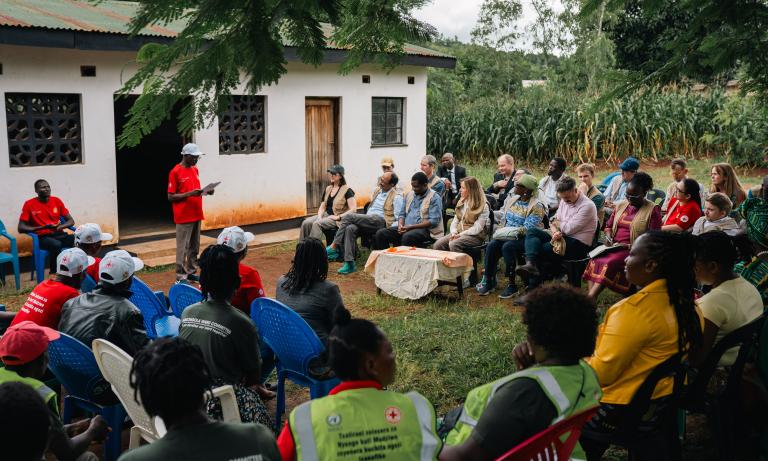
Reports published on July 14 by the Malawi-Liverpool Wellcome Research Programme detail the rollout of the THRIVE Study, a new research project designed to build climate resilience in communities affected by extreme weather. The initiative focuses on Mangochi and Zomba districts to address food insecurity, poor nutrition, and mental health challenges linked to severe climate events such as Cyclone Freddy. Researchers are working directly with smallholder farmers and fishing households to design practical, local strategies for surviving climate shocks. The study involves joint efforts from the Ministry of Health, the Ministry of Agriculture, and the Kamuzu University of Health Sciences, according to the Malawi-Liverpool Wellcome Research Programme.
Malawi is also adopting new technology to track environmental threats. The World Meteorological Organization announced on July 13 that the national government is integrating artificial intelligence into its weather forecasting and early warning systems. The organization stated that the technology will support human meteorologists and traditional observation networks to improve national climate services. International partners, including the World Bank and the World Food Programme, are backing this effort to help the country better anticipate weather disasters before they strike.
In a recent environmental update, the Department of Climate Change and Meteorological Services issued a safety warning on July 13 regarding dangerous local water conditions. The department forecast moderate to strong Mwera winds reaching speeds of at least 40 kilometers per hour over Lake Malawi and other regional water bodies. Weather officials advised all lake users to stay alert and exercise caution during the day, attributing the winds to a moist southeasterly airflow coming from the Indian Ocean, according to the Department of Climate Change and Meteorological Services.