
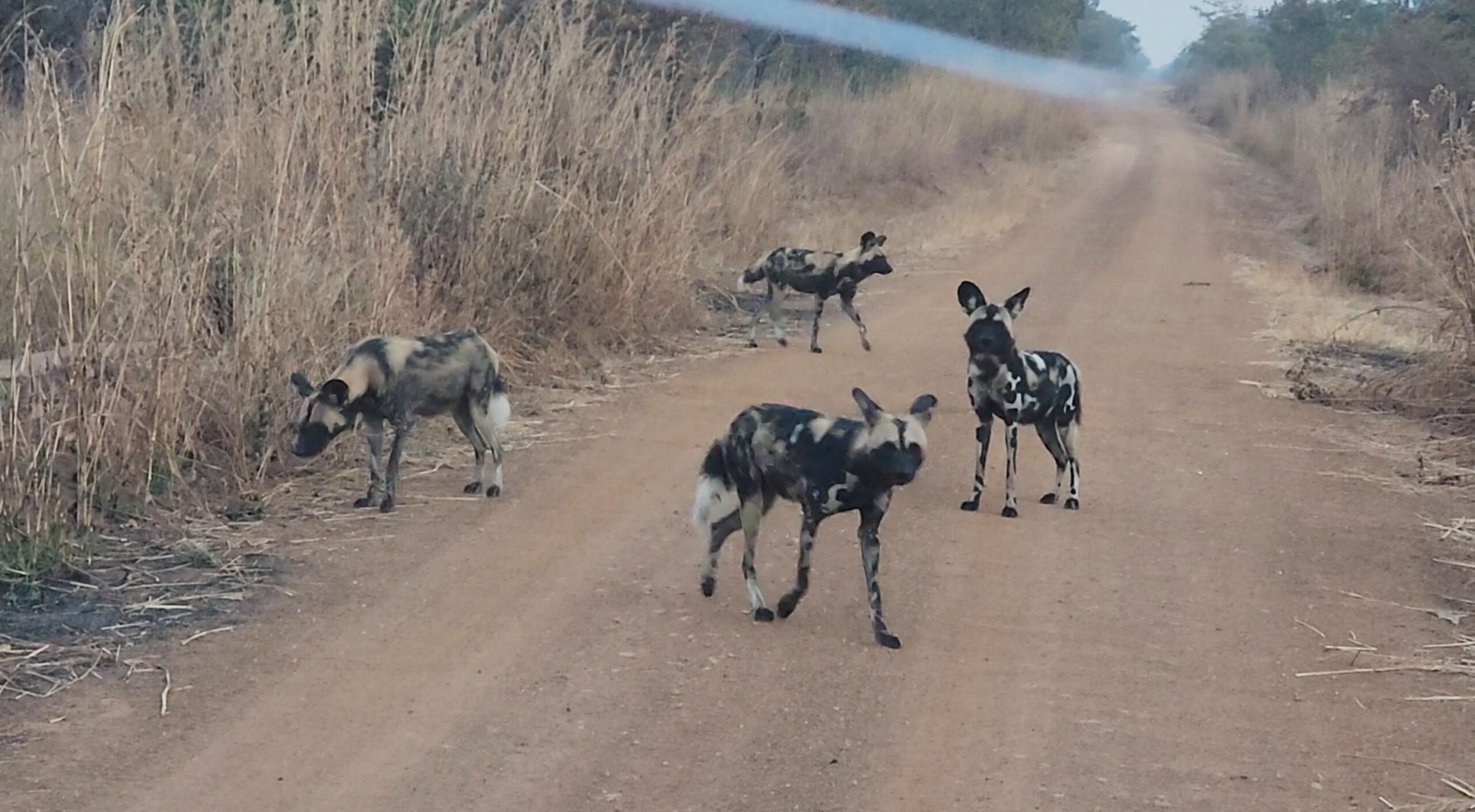
According to Mongabay, four endangered African wild dogs have been spotted in Kasungu National Park, marking the first confirmed sighting of the species in the area in over a decade. Researchers from the Zambian Carnivore Programme believe the animals traveled approximately 140 kilometers from South Luangwa National Park in Zambia. Conservationists at the International Fund for Animal Welfare say the migration proves the effectiveness of the Malawi-Zambia Transfrontier Conservation Area in reconnecting natural wildlife corridors.
In climate news, the Government of Malawi and the United Nations Development Programme launched the 2026 to 2030 Investment Phase of the Systematic Observations Financing Facility on July 22. According to the UNDP, the project focuses on expanding the country's meteorological observation network, establishing reliable weather data exchanges, and upgrading early warning systems for climate events like floods and prolonged dry spells.
Meanwhile, environmental watchdogs have raised alarms over the unregulated use of hazardous chemicals in illegal gold mining. Nation Online reports that the Natural Resources Justice Network is warning of mercury and cyanide seeping into rivers in Kasungu, Dowa, and Karonga districts. In response, the Ministry of Mining has directed the Export Development Fund to stop purchasing any gold processed with mercury.
In ecological research, a study published in the journal Science this week revealed that lake fly larvae in Lake Malawi possess specialized air sacs that allow them to survive extreme underwater pressures. According to EurekAlert and BBC Wildlife Magazine, University of British Columbia researchers found that the Chaoborus edulis larvae use a flexible protein called resilin to regulate buoyancy. This adaptation enables the insects to safely dive more than 200 meters into the oxygen-depleted depths of the lake during the day to evade predatory fish.