
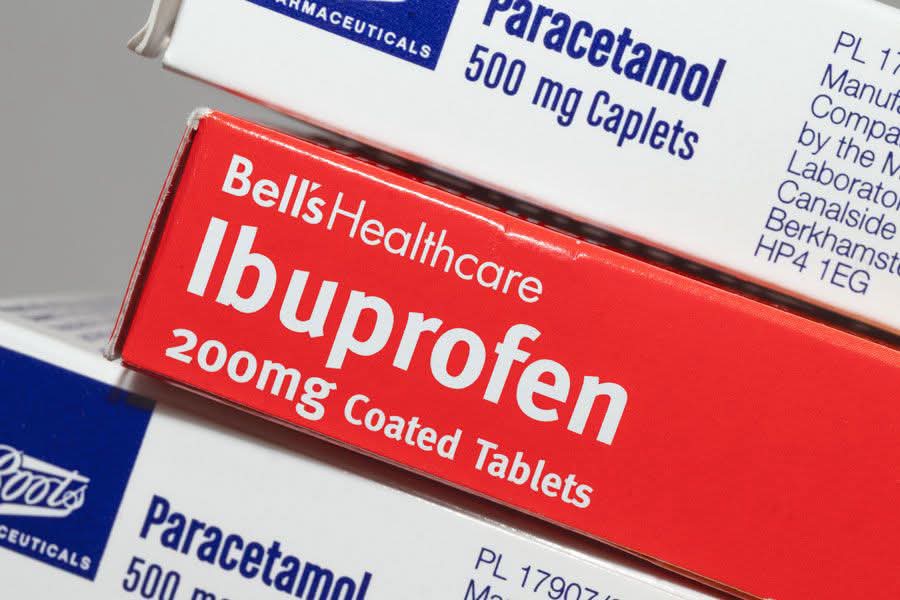
According to the Malawi Freedom Network, the Malawi Revenue Authority has introduced a 25 percent import tariff on essential medicines, including amoxicillin, aspirin, and paracetamol, under the 2026/27 National Budget. George Jobe, Executive Director of the Malawi Health Equity Network, told reporters that the policy will increase healthcare costs, warning that the tax burden will ultimately be passed on to vulnerable citizens who already struggle to afford basic treatment.
Vice President Dr. Jane Ansah has launched a K80 million fundraising campaign for the Ndimoyo Palliative Care Trust, Pan African Visions reports. Speaking at the Lilongwe Golf Club, Ansah called for increased national support to assist patients living with chronic illnesses. Organizers told the publication that proceeds from the campaign will fund essential medicines and medical equipment to support patients requiring long-term pain management.
Health facilities in the central region are facing increased pressure from a surge in teenage pregnancies, the International Campaign for Women's Right to Safe Abortion reports. According to data gathered by the Malawi News Agency, Mchinji District alone recorded 4,155 pregnancies among girls aged 10 to 19 between January and March 2026. The rising numbers have exposed gaps in child protection and have led to a noticeable increase in medical complications from unsafe abortions across the affected districts.
Update: The Ministry of Health reported a continued decline in malaria infections during the first half of 2026, according to Channel Africa. National Malaria Control Programme Manager Dr. Lumbani Munthali announced that the country registered approximately 1.8 million cases between January and June, marking a measurable decrease from the 2.4 million cases recorded during the same period in 2025.