
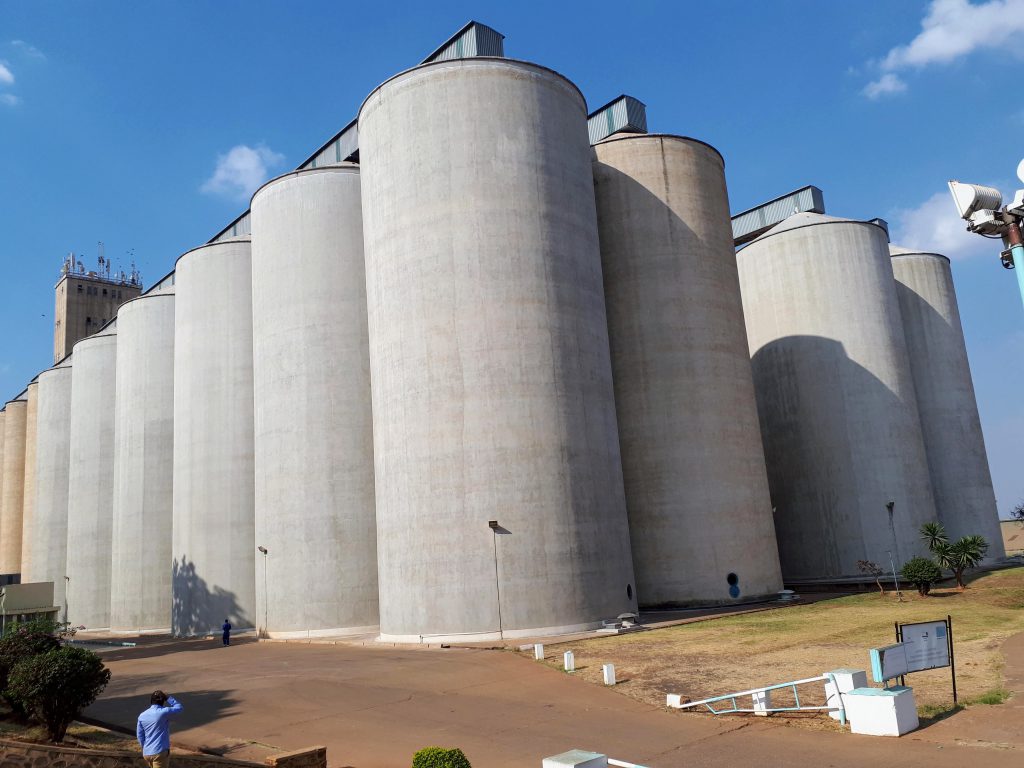
The National Food Reserve Agency (NFRA) has warned of a severe funding shortfall in the proposed 2026/27 National Budget, stating that the K60 billion allocated to replenish the Strategic Grain Reserves will fall short of national needs. According to Nation Online, NFRA chief executive officer George Macheka informed a parliamentary committee that the agency requires an additional K130 billion to meet its procurement target of 170,000 metric tonnes of grain. Macheka noted that the current allocation can only secure 54,000 metric tonnes, challenging the government's plans for food self-sufficiency and price stabilisation.
In a related development, the Economics Association of Malawi (Ecama) has expressed cautious support for the overall fiscal plan while highlighting significant economic risks. In an analysis shared by Ecama president Bertha Bangara-Chikadza, the association described the budget as a consolidation and growth strategy, according to Nation Online. Ecama welcomed new revenue collection measures, including the taxation of digital services and stronger enforcement of rental income tax. However, the association warned that Malawi remains trapped in a food, foreign exchange, and inflation trilemma, urging strict fiscal discipline to prevent government domestic borrowing from crowding out private sector credit.
Adding to the budget discourse, the Centre for Social Concern (CfSC) observed that the fiscal plan prioritises long-term macroeconomic stabilisation over immediate income expansion. CfSC economic governance officer Agnes Nyirongo noted that while middle-income earners might benefit from broader economic stability, low-income households will need to rely heavily on food subsidies and cash transfers, Nation Online reports. Consumers Association of Malawi executive director John Kapito also cautioned that any financial gains for consumers could be offset by new taxes and service costs. To further contain public spending and navigate the country's high debt burden, the government has extended its austerity measures into the new financial year.