
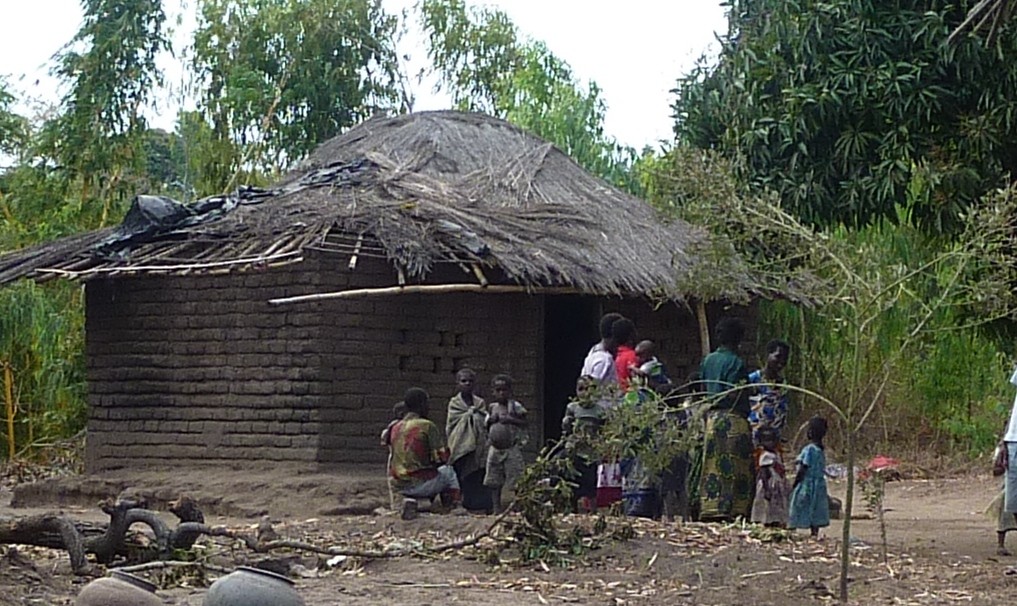
Update: The African Development Bank has officially ranked Malawi as the fourth poorest nation in Africa, according to a report from Nation Online. The 2026 indicators report revealed that 75.4 percent of the country's population lives below the international poverty line, placing Malawi just behind the Democratic Republic of Congo, Mozambique, and South Sudan. The bank noted that recurring climate shocks, foreign exchange shortages, high inflation, and weak job creation continue to restrict the nation's economic progress.
Meanwhile, the broader private sector continues to face severe financial hurdles. Speaking on a recent surge in tax penalties where the Malawi Revenue Authority collected K15.5 billion in the first quarter, Economics Association of Malawi president Bertha Bangara-Chikadza told Nation Online that the economy remains under heavy strain. She explained that high government borrowing and ongoing foreign exchange shortages have weakened company liquidity and driven up operating costs, which makes tax compliance increasingly difficult for many businesses.
In local infrastructure development, the government has launched the construction of the K7.4 billion Kapoka Modern Market in Chitipa, Nyasa Times reports. Funded under the TRADE Programme with support from the International Fund for Agricultural Development, the facility is designed to boost agricultural commercialisation and provide better trading conditions for local farmers. During the construction launch ceremony, Local Government and Rural Development Minister Ben Malunga Phiri issued a strict warning to contractors, stating that any poor workmanship or deviation from architectural plans would face immediate penalties.
Despite broader economic pressures, some local enterprises are expanding. House of Meats recently opened its eighth Go Fresh outlet in Lilongwe's Area 10, according to Nyasa Times. Lilongwe City Mayor Peter Banda officially opened the shop and praised the company's expansion, noting that such business investments are necessary for creating jobs and supporting incomes within the local economy.