
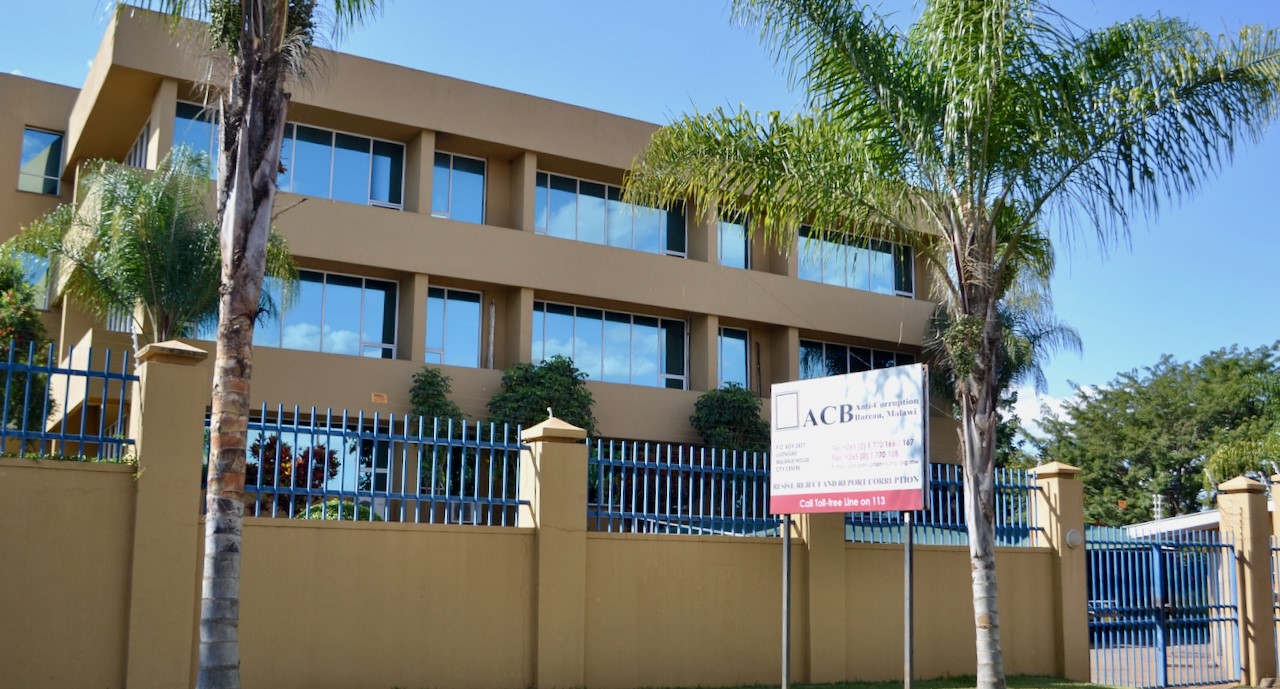
The Anti-Corruption Bureau (ACB) is struggling to advance investigations into several high-profile cases due to severe funding shortages, according to Nation Online. ACB Acting Director General Gabriel Chembezi disclosed that the investigations sector received a mere K4 million in March to distribute across its nationwide offices, an amount insufficient to fund even a single full investigation. While the bureau proposed a K17 billion budget for the 2026/2027 fiscal year, it was allocated only K12 billion. Parliament's Legal Affairs Committee chairperson Gilbert Khonyongwa called the funding gap a threat to the institution's mandate and pledged to lobby the Treasury for additional resources.
In the courts, the K1.3 billion extortion case involving former Minister of Homeland Security Ezekiel Ching'oma has suffered a delay, Nation Online reports. The Blantyre Senior Resident Magistrate's Court was scheduled to rule on an application to transfer the case to Lilongwe and commit the matter to the High Court of Malawi. However, the hearing was postponed because Ching'oma's defence lawyer was attending to other matters. Ching'oma, alongside former deputy Inspector General of Police Ackis Muwanga and former crime Superintendent Laudon Nthinda, is accused of abusing public office to extort three businesspersons under the pretext of money-laundering accusations.
Meanwhile, exactly one month has passed since the daylight abduction of Crossroads Hotel owner Sameer Sacranie in Lilongwe, with the Malawi Police Service facing public criticism over their silence on the investigation. According to Nyasa Times, armed men abducted the businessman on February 6, but police have only confirmed the recovery of the vehicle allegedly used in the crime. The lack of clear updates on potential suspects, arrests, or Sacranie's whereabouts has sparked concern regarding rising insecurity and the capacity of law enforcement to resolve complex crimes.
Additionally, a new study highlights severe structural barriers preventing survivors of gender-based violence from accessing the formal justice system. A GIS Mapping Study by the Malawi Irish Consortium on Gender-Based Violence, reported by Nation Online, found that police and courts handled only 11.1 percent and 7.4 percent of cases respectively across five districts between 2022 and 2025. Health clinics and community groups continue to absorb the majority of the caseload. The report notes that survivors in remote areas face travel distances of up to 50 kilometres to reach a police station, forcing many to settle for informal community mediation rather than pursuing legal justice.