
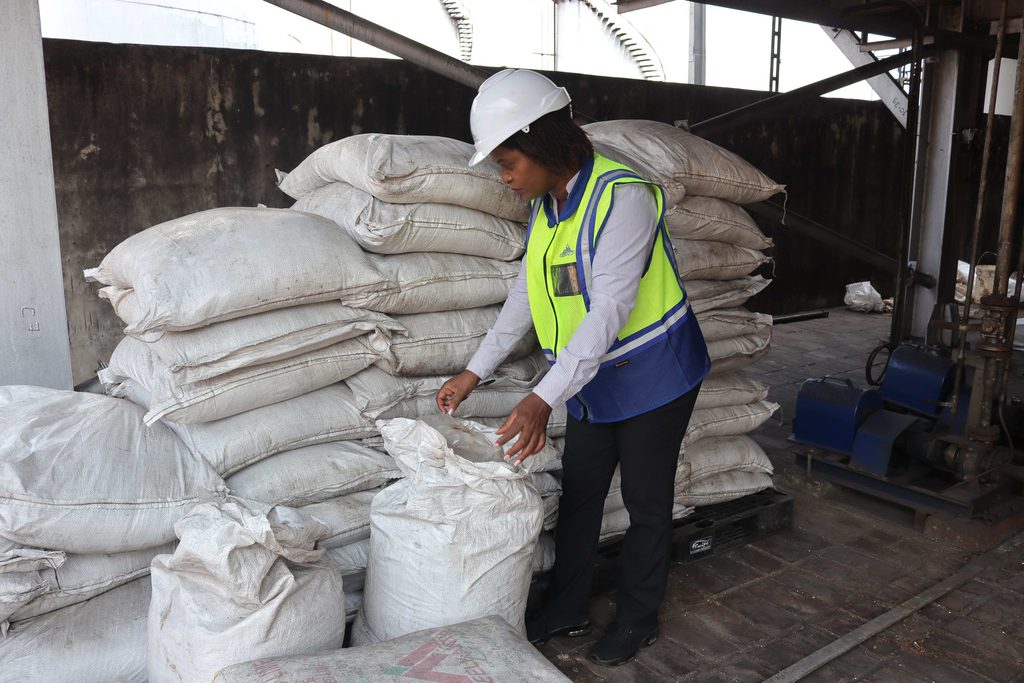
Press Cane Limited has officially started producing organic fertiliser at its newly commissioned plant in Chikwawa, Malawi Freedom Network reports. The facility can produce approximately 100 tonnes of fertiliser daily, which equates to 600 bags weighing 50 kilograms each. Press Cane Sales and Marketing Manager Mercy Kamanga indicated that the product, derived from effluent with a potassium content exceeding five percent, is ideal for maize and legumes. The organic fertiliser is expected to hit the market in time for the 2026 growing season.
Update: The 22nd National Agriculture Fair has officially opened in Blantyre, where agricultural stakeholders were presented with concerning statistics regarding the country's export performance. According to Nyasa Times, World Bank data revealed that Malawi's agricultural exports have dropped by 31 percent between 2014 and 2023. Minister of Agriculture Roza Fatch Mbilizi used the opening ceremony to urge farmers to focus on value addition rather than sheer output. Data at the fair also highlighted challenges in maize production, noting that average yields remain at 2.1 metric tonnes per hectare, falling short of the national target of four tonnes.
In an effort to manage surplus stock, the Malawi Enterprise Development Fund (MEDF) auctioned excess farm inputs and equipment left over from the 2025/2026 winter cropping season. Nation Online reports that the public auctions took place concurrently in Mzuzu, Mangochi, and Blantyre, featuring items such as NPK and liquid fertilisers, pesticides, and solar irrigation pumps. MEDF spokesperson Elizabeth Mapemba stated the sale was necessary to prevent storage damage and recoup funds.
Meanwhile, the Lilongwe University of Agriculture and Natural Resources (LUANAR) is expanding its focus on commercial farming research. Nyasa Times reports that during a recent inaugural lecture for Professor Joseph Dzanja, LUANAR Council Chairperson Professor James Seyani reaffirmed the institution's goal to become a central hub for agribusiness development. Seyani noted that by investing in young researchers and securing partnerships with organizations such as the International Fund for Agricultural Development, the university aims to generate practical solutions to improve rural agricultural markets and boost the national economy.