
The Lilongwe University of Agriculture and Natural Resources has released its selection list for the 2026/2027 academic year for both generic and mature entry students at its City Campus. According to the university, successful candidates must report by September 7, 2026, with annual tuition fees set at MK1,900,000 for generic students and MK1,990,000 for mature entry. In the private education sector, Private Schools Association of Malawi President Ernest Kaonga urged teachers to maintain high academic standards while calling on school owners to ensure consistent remittance of employee pensions and taxes, despite ongoing fee collection challenges, Nation Online reports.
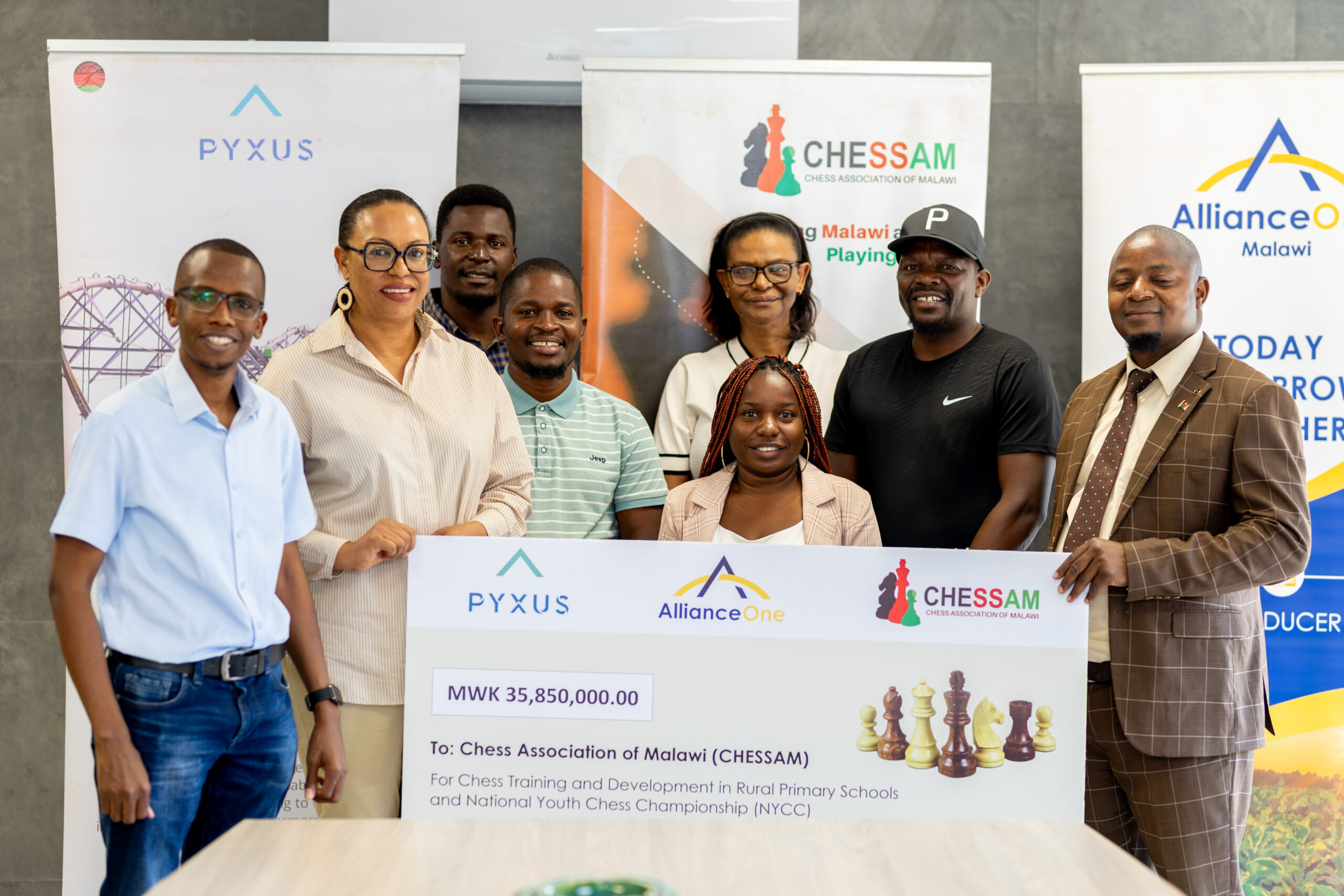
Extracurricular education programs have received new funding, as Alliance One Tobacco Malawi and Pyxus Agriculture Malawi renewed a K37 million sponsorship agreement with the Chess Association of Malawi. According to Nyasa Times, the funding will extend an after-school chess programme to 10 additional schools in rural tobacco-growing communities. The initiative aims to improve critical thinking and academic performance for 600 additional pupils.
Primary school infrastructure in Blantyre received a recent upgrade, with Ngumbe Primary School taking delivery of 500 new desks through the Kids in Need of Desks Fund, a partnership backed by UNICEF. UNICEF Malawi reports that the school, which serves 2,400 learners, had not received a major desk donation since the 1990s. Faculty members indicated that the new furniture has improved classroom management and student comfort during lessons.
Inclusive education initiatives are also advancing nationwide. A digital skills training programme at the Malawi School of Government, supported by the United Nations Development Programme, is training visually impaired teachers to become master trainers in computer literacy. The programme aims to help these teachers instruct others in schools and workplaces, according to UNDP Malawi. Additionally, eKitabu is collaborating with the Ministry of Education on a 33-month Global Partnership for Education project to expand early learning for deaf children. The organisation reports that the initiative is integrating deaf educators and sign language assessments into the national education system.