
Malawi's manufacturing and retail sectors are experiencing a sustained decline in their economic contributions, according to a recent Reserve Bank of Malawi (RBM) National Accounts Report spanning 2017 to 2026. Nation Online reports that manufacturing's share of the gross domestic product (GDP) fell from 11.3 percent to 11.1 percent, while wholesale and retail trade dropped from 12.6 percent to 10.6 percent over the past decade. Both sectors have seen stagnant annual growth since 2023, which economists attribute to a combination of persistent foreign exchange scarcity, energy deficits, and high interest rates. Trade experts warn that this stagnation undermines the country's industrialisation goals outlined in the Malawi 2063 vision, keeping the economy reliant on raw commodity exports.
The ongoing foreign exchange crisis is also threatening the telecommunications sector and the broader rollout of digital infrastructure. A 2026 report by the Global Systems for Mobile Communications (GSMA) indicates that digital reforms could unlock K1.1 trillion in economic value and create 490,000 jobs by 2030, according to Nation Online. However, mobile operators are currently excluded from the government's priority foreign exchange allocation framework, which favours fuel, medical drugs, and agricultural inputs. The GSMA warns that these forex restrictions are hindering operators' ability to pay international suppliers and maintain network quality, with the cost of achieving 99 percent 4G population coverage estimated at nearly $130 million per operator.
Meanwhile, the Malawi Confederation of Chambers of Commerce and Industry (MCCCI) has cautioned businesses to prepare for prolonged inflationary pressures despite recent easing in the headline inflation rate. Nation Online reports that the private sector continues to struggle with raw material import delays due to the forex shortage, while global energy volatility threatens domestic price stability.
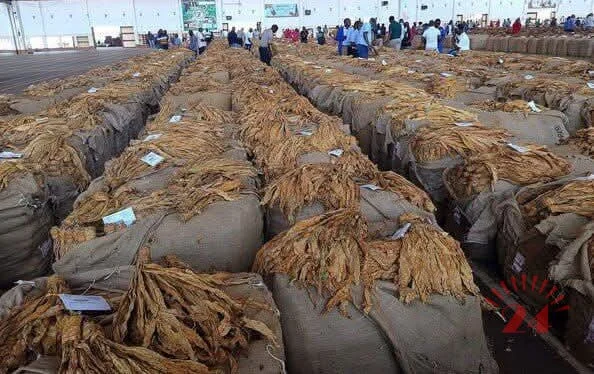
In the agricultural sector, young farmers are increasingly questioning the viability of tobacco farming. According to Malawi24, high costs for land, labour, and fertiliser, combined with lower average prices per kilogramme this season and productivity losses from excessive rains, are forcing growers to reevaluate the financial risks associated with the country's primary cash crop.