
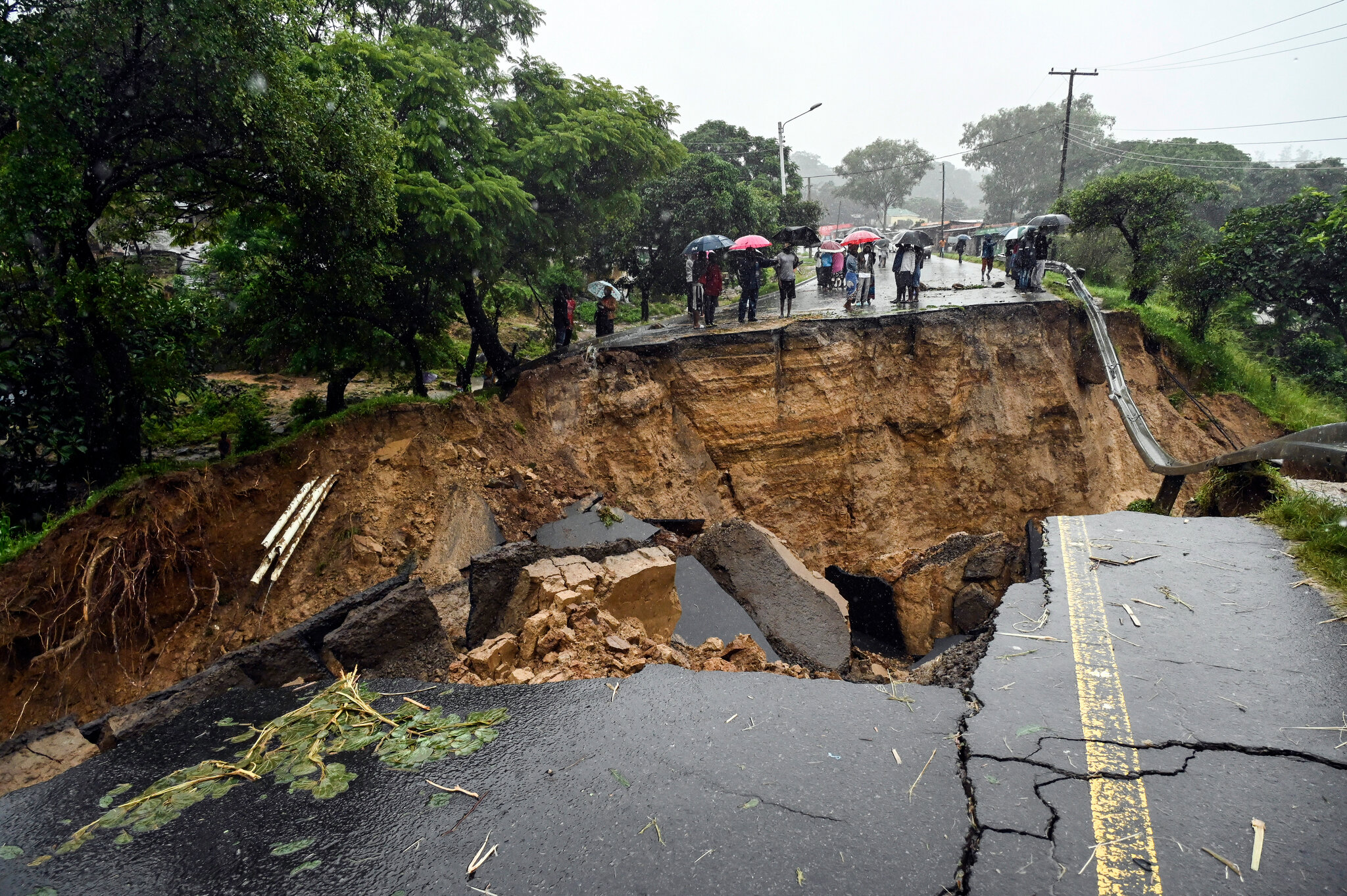
In Zomba District, local women have established a Women's Forum on Climate Change to combat the severe effects of droughts and flash floods on rain-fed agriculture, according to Nation Online. Supported by a $950,000 climate resilience project implemented by Oxfam and funded by the Africa Climate Change Fund, the initiative helps residents manage solar-powered irrigation and secure year-round water access. Project coordinators report that climate infrastructure remains more reliable when designed and managed by the communities most vulnerable to unpredictable rainfall.
Malawi's 2026 National Agroecology Week commenced on September 1 in Lilongwe, bringing together farmers, researchers, and policymakers to discuss long-term food security. According to event organizers PELUM Malawi and SCOPE Malawi, the four-day conference features policy dialogues on organic agriculture and concludes with a public festival promoting indigenous food heritage and climate-adapted farming practices.
Update: Regional weather authorities have issued further warnings regarding the upcoming agricultural season. According to a September 1 report from the Southern African Development Community, the 2026/27 climate outlook forecasts an increased likelihood of below-normal rainfall and above-average temperatures for Malawi and neighboring nations. Driven by a strengthening El Niño pattern and a positive Indian Ocean Dipole, the dry conditions are expected to peak between October and December 2026.