
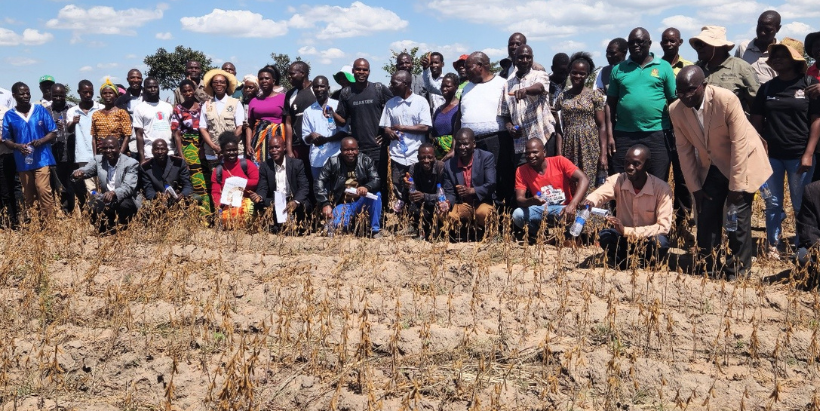
Malawi is working to reduce its economic reliance on tobacco by promoting soybeans as an alternative cash crop, according to a September 7 report by the International Institute of Tropical Agriculture. Tobacco currently generates nearly 70 percent of the country's foreign exchange earnings. To improve economic stability, the Technologies for African Agricultural Transformation program has partnered with the Department of Agricultural Research Services to train farmers in Kasungu District and demonstrate the commercial viability of soybean farming.
In the maize sector, policymakers face mounting pressure to increase yields against climate risks. This has sparked debate over the country's cautious approach to genetically modified crops. Nation Online reports that Malawi's Bt maize program remains in the research phase, and commercial cultivation cannot begin until trials and regulatory approvals are completed. Despite local production challenges, regional buyers are eyeing Malawian grain. According to Farmers Review Africa, Kenyan traders operating in Malawi and Zambia are preparing to supply maize to Kenyan millers as the Kenyan government considers opening a duty-free import window to cover its own domestic shortages.
Agricultural input programs are also under review. The Nyasa Times reports that the National Advocacy Platform has endorsed a parliamentary push to investigate several issues of national concern, specifically including the distribution of Affordable Inputs Programme fertiliser coupons. At a continental level, similar agricultural input strategies are facing criticism. Science Africa reports that a newly published study by the Alliance for Food Sovereignty in Africa shows chronic undernourishment has increased by 58 percent across 13 countries, including Malawi, despite two decades of policies promoting synthetic fertilisers and commercial seeds by the Alliance for a Green Revolution in Africa.