
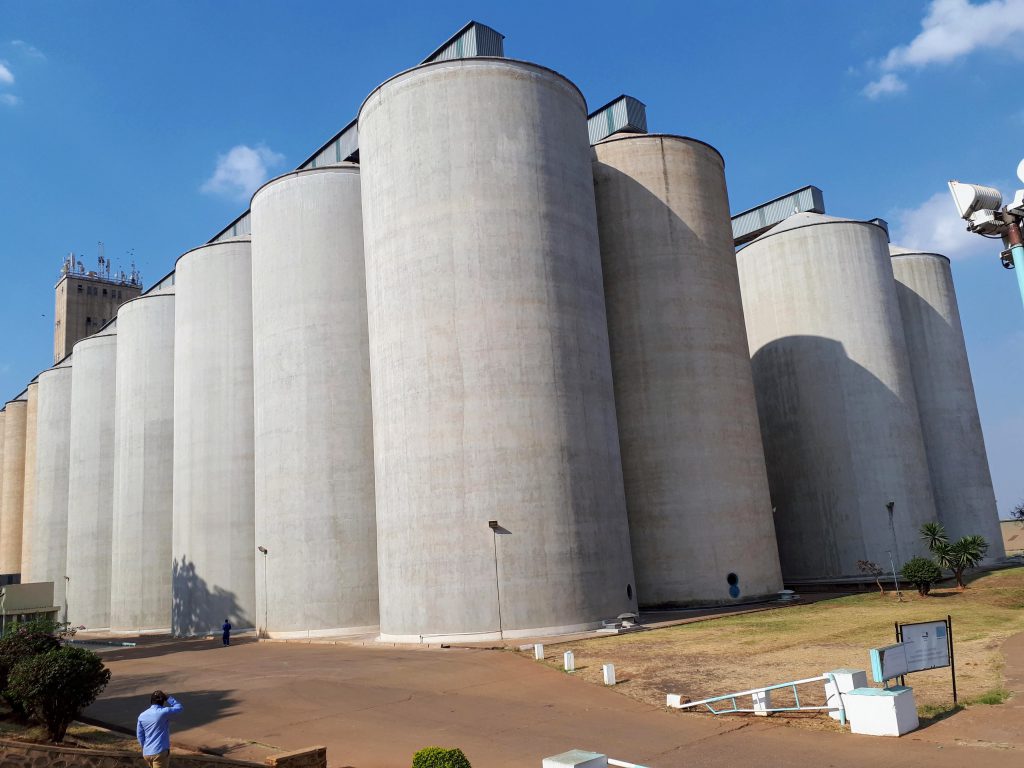
The National Food Reserve Agency (NFRA) has opened its maize procurement to all suppliers, regardless of prior contracts, after struggling to reach its 108,000 metric tonne target, according to Malawi Nation. The agency is now accepting minimum deliveries of one tonne on a first-come, first-served basis at K900 per kilogramme to replenish the Strategic Grain Reserve. By mid-August, the NFRA had secured less than a quarter of its goal. Grain Traders Association of Malawi president Grace Mijiga-Mhango warned that the NFRA must increase its buying price to K1,200 per kilogramme to cover farmers' transportation costs and adequately stimulate supply.
Compounding these food security challenges, the International Food Policy Research Institute (IFPRI) released new modeling data warning that overlapping El Niño impacts and global fertilizer price shocks pose severe risks for Malawi heading into 2027. According to IFPRI, domestic maize imports could triple as domestic production falls. In their average modeled scenario, these economic shocks could push nearly 500,000 more Malawians into poverty and leave an additional 4.6 million people undernourished.
Update: To counter agricultural shortages and prepare for the coming season, the government is backing a winter maize seed project at the Lilongwe University of Agriculture and Natural Resources (LUANAR) to supply the Farm Input Subsidy Programme (FISP), Agri Malawi reports. Run through LUANAR's Mega Farm Initiative on 150 hectares at the Illovo Sugar estate in Dwangwa, the project targets a minimum yield of four tonnes of seed per hectare. Organizers expect harvesting to begin in mid-October to ensure the medium-maturity seed is processed in time for farmers relying on FISP subsidies.