
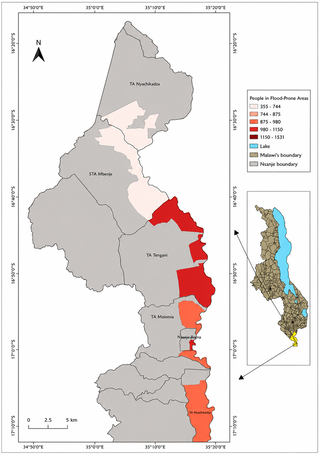
A new study published in PLOS One on September 24 has mapped flood-prone areas in the highly vulnerable Nsanje District. Researchers used geographic information systems and open-access satellite data to detect flood risks, offering a new method for mapping disasters in regions lacking ground-based monitoring infrastructure. Meanwhile, the Department of Climate Change and Meteorological Services has issued fresh weather forecasts, predicting warm to hot afternoon temperatures alongside isolated showers and thunderstorms driven by an unstable easterly air mass.
In an effort to monitor local pollution, the Department of Climate Change and Meteorological Services is now publishing weekly air quality bulletins, according to AirGradient. The bulletins are the direct result of a monitoring project launched by the Malawi University of Business and Applied Sciences, which tracks particulate matter to help citizens protect their health.
International partners are pressing for continued investments in clean power. Germany and the European Union officially closed the Putting Energy to Work project on September 25, with German officials urging Malawi to sustain its energy initiatives, Nyasa Times reports. The project previously helped rural farmers and businesses adopt solar irrigation and agro-processing equipment to adapt to climate shocks and increase agricultural output.
Update: Following the recent launch of Malawi's $30 billion mining roadmap, a new World Bank report warns that a climate-vulnerable grid and chronic electricity shortages threaten the sector's success. The report, cited by Nyasa Times, estimates the mining industry will require an additional 120 megawatts of power by 2032. During a business breakfast in Blantyre on September 24, private sector leaders echoed these findings, cautioning that persistent energy deficits are severely restricting domestic green industrialization and export potential.