
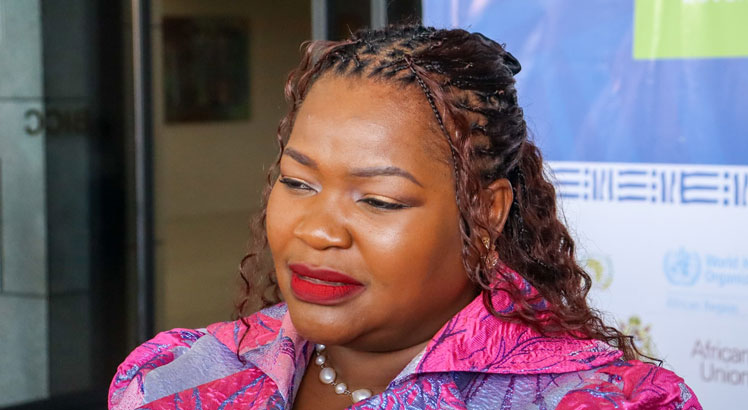
According to Nation Online, health rights advocates are warning that poor Malawians are bearing the brunt of a fractured health financing system. George Jobe, executive director of the Malawi Health Equity Network, stated that universal health coverage will remain unsustainable unless the government strengthens domestic funding and ensures resources directly reach local facilities. Maziko Matemba of the International Coalition on Health Financing Advocacy added that chronic medicine shortages frequently force rural patients to rely on expensive private care. Meanwhile, Nyasa Times reports that the Parliamentary Committee on Health is pushing for an updated Public Health Act to secure dedicated budgets for non-communicable diseases. Committee chairperson Anthony Masamba warned that conditions like strokes and hypertension currently lack formal budget lines, leaving communities without adequate rehabilitation infrastructure outside of central facilities like the newly established stroke unit at Queen Elizabeth Central Hospital.
Update: Malawi's nationwide measles and rubella vaccination campaign officially concluded on September 25, with health officials expressing optimism about reaching their targets, according to Malawi24. In Kasungu District alone, health workers vaccinated 80 percent of the targeted 270,000 children within the first three days. The campaign, supported by the Malawi Red Cross Society and international partners, aimed to immunise 5.8 million children aged between nine months and nine years across the country.
In international medical news, a nine-year-old girl from Zomba has become the 9,000th patient treated by the Israeli humanitarian charity Save a Child's Heart, i24NEWS reports. The child, who was born with a congenital heart defect known as tetralogy of Fallot, recently underwent successful surgery at the Sylvan Adams Children's Hospital in Holon, Israel. The operation corrects a condition that previously left her struggling for breath and forced her to miss extended periods of school.