
Malawi's public health sector is facing an estimated 17.34 billion Kwacha funding shortfall for essential contraceptives and family planning supplies for 2027, according to Channel Africa. The deficit is linked to significant reductions in international donor funding. Public health advocates and civil society groups are currently lobbying the national government to increase domestic budget allocations to avoid severe stockouts and protect reproductive healthcare access across the country.
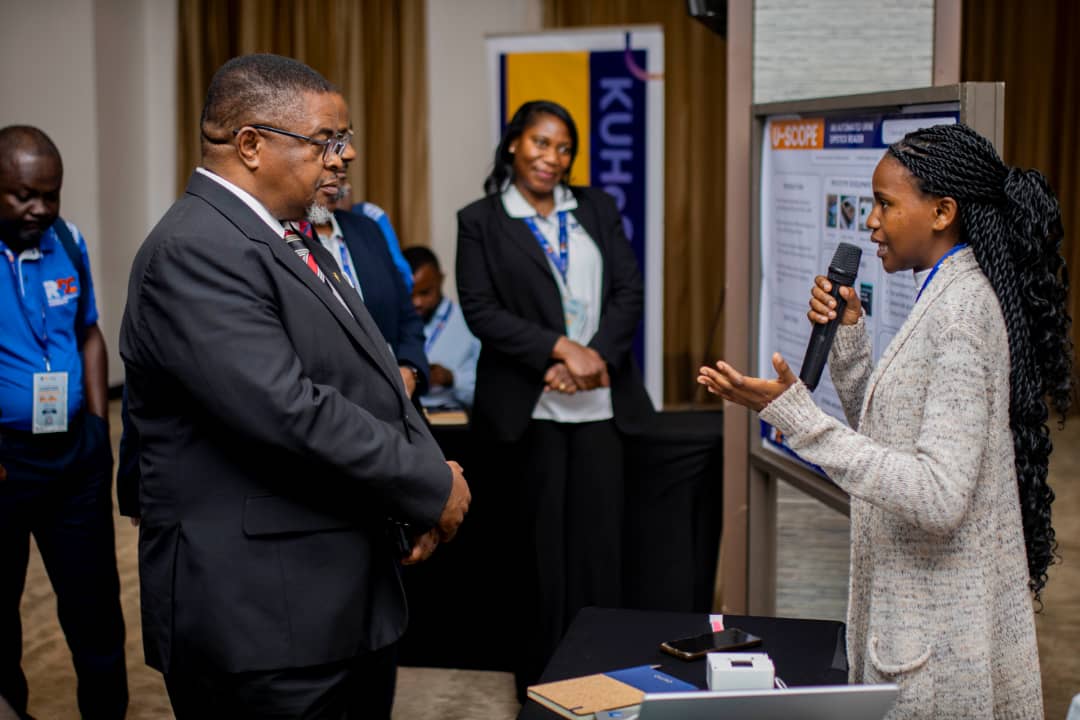
In a push to link healthcare with national development, Minister of Education, Science and Technology Bright Msaka has urged medical researchers to use health science as an engine for economic growth. According to Nyasa Times, Msaka issued the challenge while opening the Kamuzu University of Health Sciences 5th Research Dissemination Conference. He advised academics to ensure their research yields practical and innovative solutions that the government can translate into effective policy interventions.
Meanwhile, shifting demographics are raising concerns about the future of medical and social services for the elderly. According to Malawi24, the Ministry of Gender, Children and Disability warned that rising life expectancy and declining fertility rates will place sustained pressure on systems designed to support older persons. These challenges were highlighted during the national commemoration of the 2026 International Day of Older Persons, held on October 1 in Mangochi District under a theme focused on rethinking health and social care systems for longer lives.
To address new environmental health risks, a research programme called THRIVE has been launched to study how climate shocks affect mental health and nutrition in rural Malawi, according to the Liverpool School of Tropical Medicine. The initiative works with local farming and fishing communities to identify existing coping strategies. Developed in consultation with the Ministry of Health, the project seeks to gather evidence regarding the psychological impacts of extreme weather and guide future climate adaptation policies.