
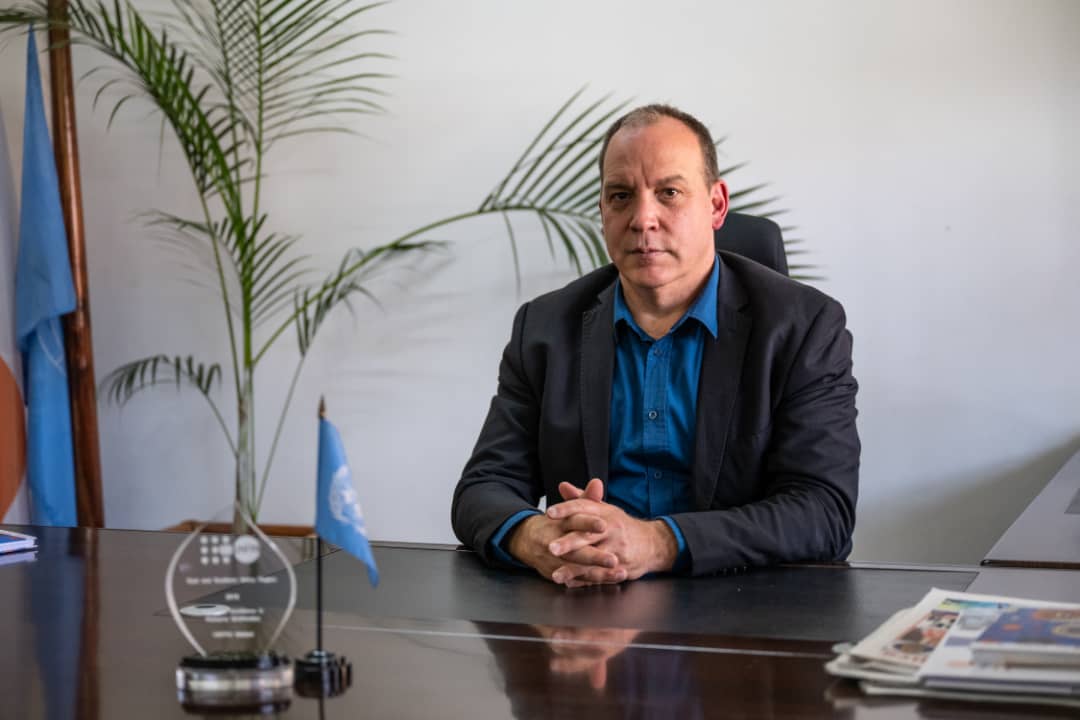
The United Nations Population Fund has warned that Malawi faces an estimated $10 million funding gap for contraceptive supplies in 2027, according to Nyasa Times. Speaking as the agency marked World Contraception Day, UNFPA Representative for Malawi Richard Delate stated that declining international donor support is putting family planning services at risk. Delate noted that without adequate funding, vulnerable young women face a higher risk of unintended pregnancies and school dropouts. The Malawian government has attempted to increase domestic spending to K1 billion for contraceptives, but the amount is insufficient to cover the shortfall left by reduced foreign aid, Nyasa Times reports.
In a related shift in international health financing, the United States Department of State is launching new implementation plans that will overhaul global health assistance for Malawi and 34 other partner nations, according to Donor Tracker and Think Global Health. The new arrangements transition away from traditional foreign aid toward jointly financed government-to-government health agreements. Think Global Health reports that these bilateral memoranda of understanding impose varying co-financing provisions on partner governments, raising questions about the capacity of countries like Malawi to meet spending benchmarks while replacing direct foreign assistance.
Meanwhile, British humanitarian Nazim Ali is preparing for his 21st international aid deployment to Malawi, scheduled for late October, Asian Standard reports. Ali plans to deliver essential food parcels to families facing extreme poverty and malnutrition, having launched a campaign to raise 10,000 pounds for the relief effort. The self-funded trip follows his previous charitable interventions in the country, which have included providing clean water access to rural communities, according to Asian Standard.