
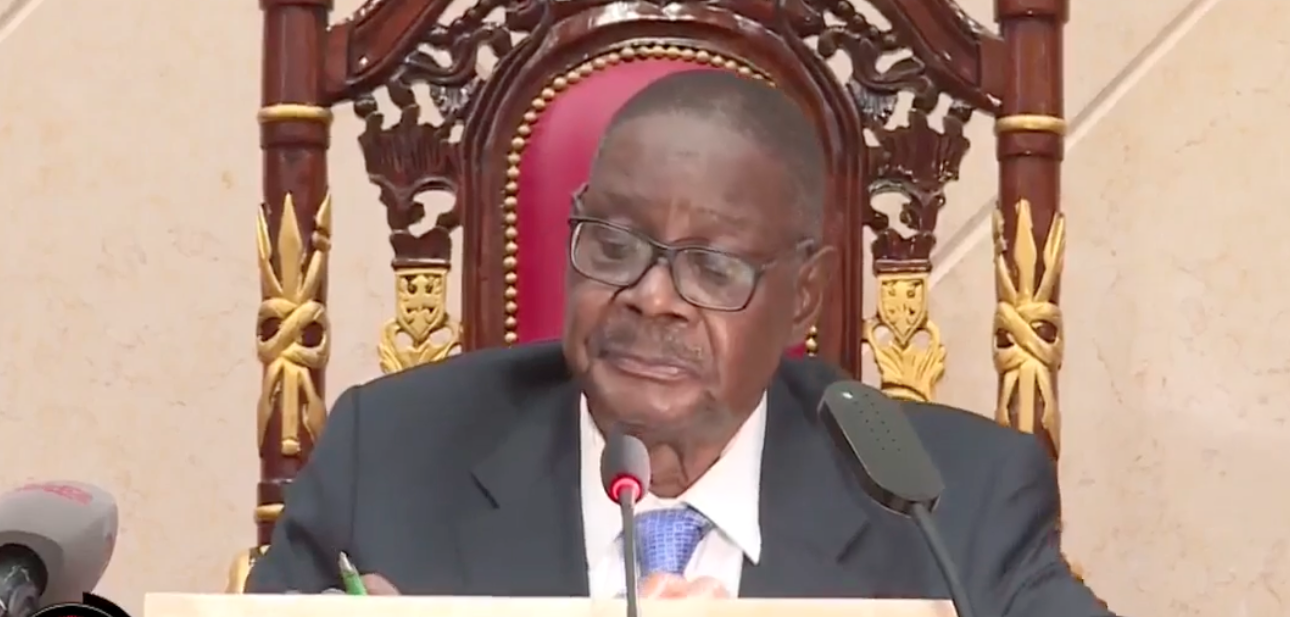
The International Monetary Fund has projected that Malawi's real GDP growth will decline from 2.6 percent this year to 2.3 percent in 2027, according to Malawi24. The IMF's October 2026 report indicates that Malawi will grow at barely half the sub-Saharan African regional average of 4.5 percent. The financial institution warned that severe foreign exchange shortages are constraining essential imports of energy, food, and fertiliser. In addition, fears of another kwacha devaluation are rising as the dollar reportedly trades on the parallel market at nearly twice the official exchange rate.
Echoing concerns over the external environment, a senior Reserve Bank of Malawi economist has warned that the country must accelerate economic reforms as global demand slows, Nyasa Times reports. Economist Kisu Simwaka noted that sluggish global expansion is already hurting Malawi's export performance. Tobacco earnings, the country's main source of foreign currency, fell to $287.1 million by early October 2026, down from $526.2 million during the same period last year.
The ongoing foreign exchange scarcity is also expected to prevent farmers from benefiting from falling global fertiliser prices ahead of the 2026/2027 agricultural season, according to Nation Online. Although a recent central bank market intelligence report showed international urea prices declining to $390 per metric tonne, agricultural economists state that import financing limitations and high transport costs will likely keep domestic retail prices high.