
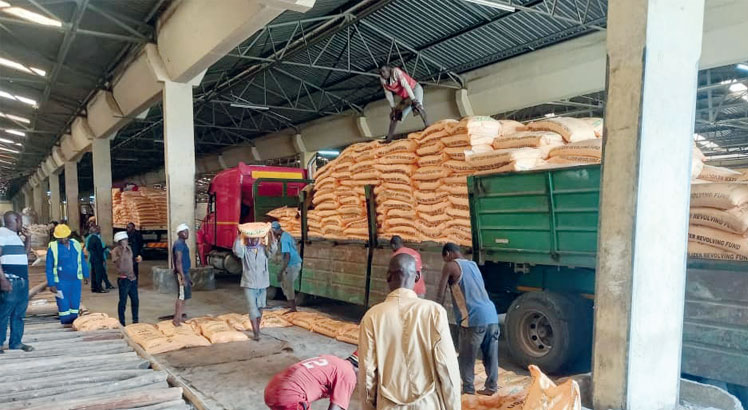
Foreign exchange shortages are threatening to drive up fertiliser prices and disrupt Malawi's upcoming planting season, according to Nation Online. Agricultural experts warn that because the country imports nearly all its chemical fertilisers, logistical costs and a lack of foreign currency heavily dictate domestic prices, potentially lowering crop productivity. In response to economic concerns raised by the Church of Central Africa Presbyterian, the government issued a statement on October 14 reaffirming its focus on the "Four Fs" of food, fuel, fertiliser, and foreign exchange, insisting that national recovery efforts remain on track.
Meanwhile, food availability remains a critical issue as the lean season begins. Based on the latest Integrated Food Security Phase Classification analysis cited this week by ReliefWeb, approximately 2.6 million Malawians are projected to face acute food insecurity between October 2026 and March 2027. The reports indicate that these projections are driven by economic constraints, including high transportation costs, inflation, and forex shortages.
Update: Local dairy farmers are gaining access to new farm technology following the official launch of the Malawi Dairy Biogas Program. EcoGen Malawi announced on October 13 that the initiative, which operates under a bilateral climate agreement with Switzerland, is equipping rural households with biodigesters. The project helps farmers manage livestock waste while significantly lowering their monthly cooking energy costs.