
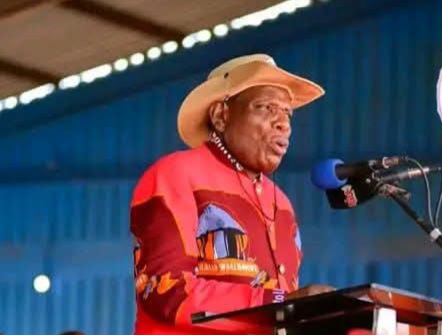
Finance Minister Joseph Mwanamvekha has issued a direct warning to members of the ruling Democratic Progressive Party (DPP) to stop internal succession battles and unite behind President Peter Mutharika. Speaking at the Mulhako wa Alhomwe Cultural Festival in Mulanje, Mwanamvekha, who serves as the DPP vice-president for the South, told party members to focus on rebuilding the economy rather than attacking each other for leadership positions, according to Nyasa Times. He firmly declared that Mutharika will remain the leader until 2030.
Meanwhile, the opposition Malawi Congress Party (MCP) has criticised the current administration's handling of national affairs. MCP spokesperson Dr. Jessie Kabwila accused the government of incompetence, specifically targeting Agriculture Minister Roz Mbilizi over recent administrative failures in the agricultural sector, Nyasa Times reports. Kabwila also cited a reported 75 percent deficit in essential medicines as evidence that the state is failing to provide basic healthcare to citizens.
Update: The government continues to push back against increasing public scrutiny over President Mutharika's frequent private trips to South Africa. Chief Secretary to the Government Justin Saidi dismissed demands for transparency as propaganda, insisting that "private is private," according to Nyasa Times. The statement follows Mutharika's fifth private visit to South Africa since taking office. Civil society organisations have argued that citizens are entitled to know if the trips are publicly funded, but state officials maintain they are under no obligation to release further details.
The political debates coincide with a new alert from the International Monetary Fund (IMF) regarding potential food shortages and power supply disruptions. In its October 2026 Regional Economic Outlook Update, the IMF warned that below-normal rainfall linked to the El Niño weather pattern could negatively affect crop yields and hydropower generation, Malawi24 reports. The Fund urged the government to prepare funding arrangements and strengthen support systems to assist vulnerable households facing elevated living costs.