
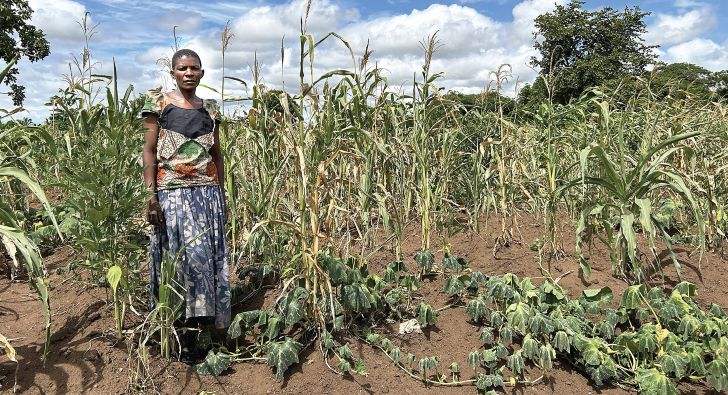
Malawi is experiencing a severe heatwave, with the Department of Climate Change and Meteorological Services forecasting temperatures to reach 42 degrees Celsius in several southern districts between October 18 and October 23, according to Nation Online. Forecasters attribute the extreme conditions to a persistent mass of warm easterly air over the country, warning that residents in areas such as Nsanje, Chikwawa, and Blantyre face significant health risks. Public health experts, including Professor Adamson Muula, have expressed concern for outdoor workers and vulnerable groups, pointing out a lack of public drinking water facilities in many urban areas.
Meanwhile, a new report by the Africa Food Trade and Resilience Initiative warns that the looming El Niño weather phenomenon is expected to worsen food insecurity across the Southern and Central regions, Nation Online reports. The changing weather pattern is projected to delay rainfall, reduce precipitation, and trigger extended dry spells, placing further pressure on agricultural communities. The Centre for Social Concern emphasized that these environmental threats compound existing economic struggles, noting that households are struggling not because food is unavailable, but because they lack the income to afford it.
To address these ongoing environmental challenges, local leaders are promoting greater community resilience. According to Nation Online, youth climate activists like Faith Phiri, through her initiative Sustain Africa Youth Wave, are actively engaging farmers to adopt climate-smart agriculture and adaptation strategies. These efforts aim to help rural communities maintain sustainable food production despite the unpredictable weather.