
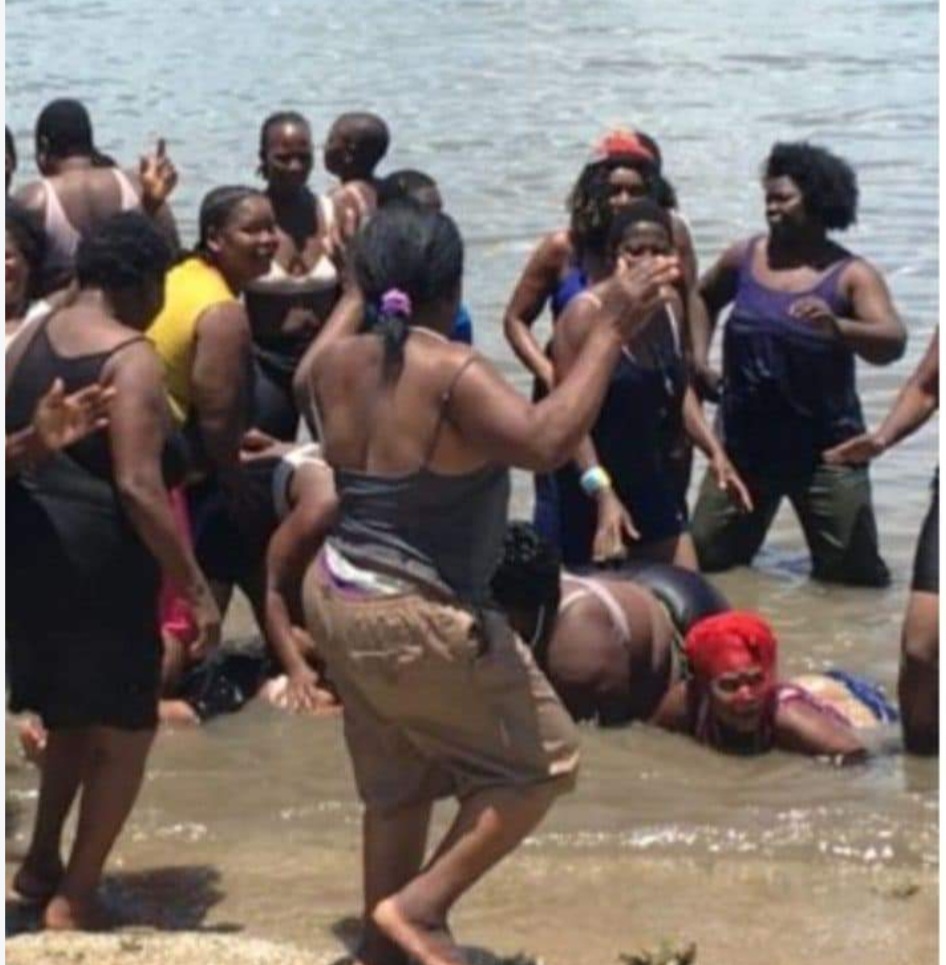
Update: Malawi is enduring an intense heatwave expected to last until October 23, with temperatures forecasted to reach 42°C in districts including Nsanje, Chikwawa, Blantyre, and Zomba. The Department of Climate Change and Meteorological Services has urged residents to protect vulnerable groups such as children and the elderly. However, according to the Nyasa Times and Nation Online, public health experts like Professor Adamson Muula have warned that the extreme heat poses a severe threat to thousands of Malawians who rely on outdoor work and cannot afford to stay in shaded areas to sustain their livelihoods.
In response to ongoing climate vulnerabilities, the government is working to improve its disaster preparedness. On October 20, the United Nations Development Programme (UNDP), in collaboration with the Department of Disaster Management Affairs, hosted a technical workshop in Lilongwe. A UNDP press release notes that the initiative focuses on reviewing the Index for Risk Management methodology to establish a baseline risk profile for Malawi. This ensures that reliable data guides district-level planning and early action against environmental shocks.
At the municipal level, a newly released case study highlights how Mzuzu is localising climate mobility data to combat the combined pressures of extreme weather and rapid urbanisation. According to the Adaptation Community network, community monitors across three wards in the city are now collecting monthly data on rainfall, flood hotspots, and shelter conditions. This community-generated information is designed to fill data gaps in early warning systems and improve local responses to floods and dry spells.
Finally, Malawi's recent conservation efforts have drawn international recognition for significantly reducing the illicit wildlife trade. A report published by the Center for Advanced Defense Studies on October 20 notes that traffickers now actively avoid routing illegal animal products through the country. The organization credits the improvement to a strong partnership between Malawian law enforcement and local nongovernmental organizations, which successfully dismantled the complex logistics networks that previously made Malawi a major transit hub for poached wildlife.