
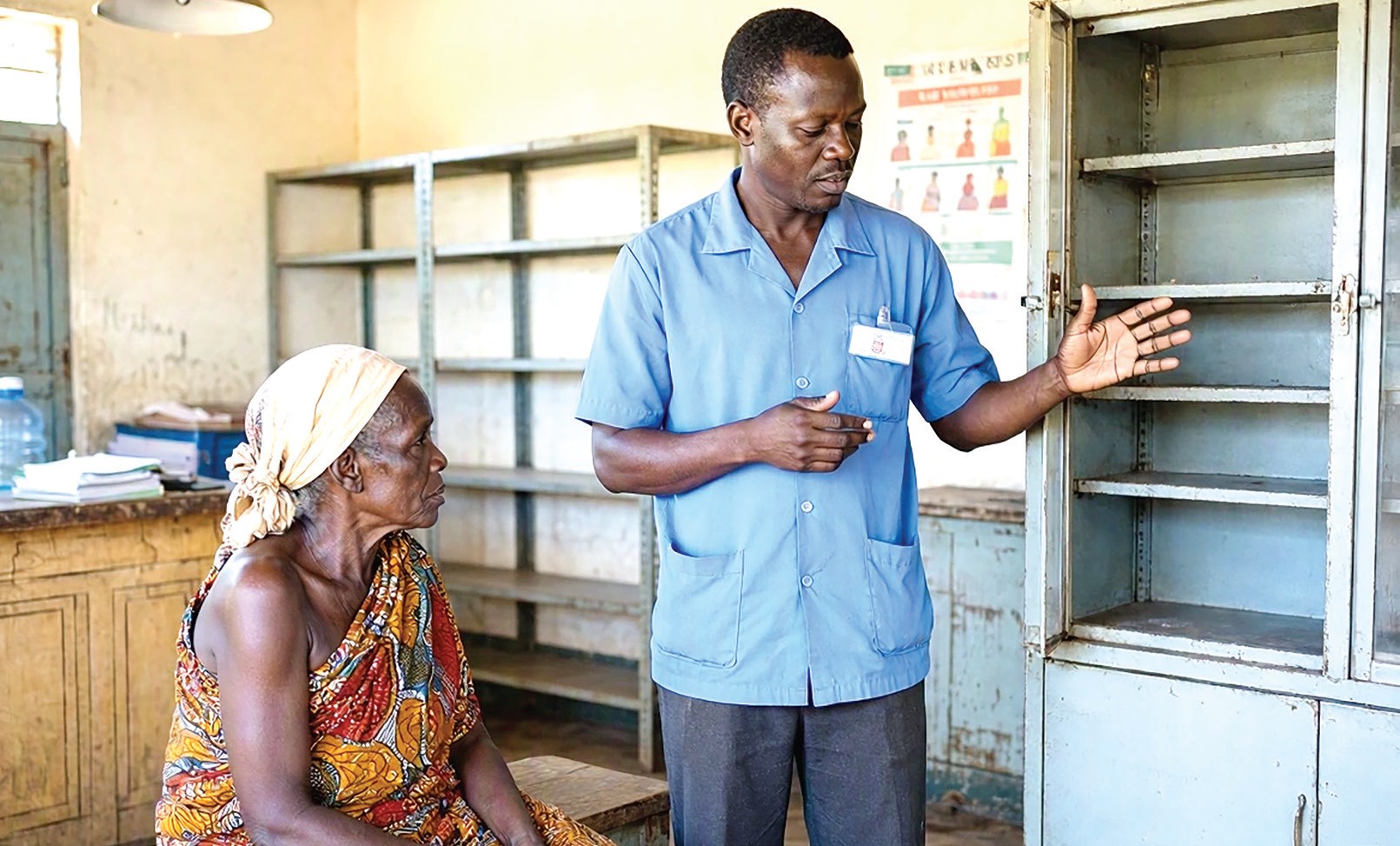
Update: The ongoing medicine shortage at public hospitals has worsened as the Central Medical Stores Trust (CMST) faces an $18 million debt to foreign creditors, effectively blocking the agency from international supply chains. According to a Wednesday report by Nation Online, health rights advocate Maziko Matemba indicated that central referral hospitals have exhausted 75 percent of their essential medicines. Overall national medicine availability fell to 40 percent in September 2026, dropping as low as 18 percent at central hospitals, with chronic underfunding and foreign exchange shortages continuing to choke the supply of life-saving drugs from countries like India.
In reproductive health news, the Association of Obstetricians and Gynaecologists of Malawi (AOGM) opened its 11th Annual Scientific Meeting in Salima on Thursday. AOGM President Dr. Friday Saidi warned that the country continues to lose women and newborns to preventable causes and urged medical professionals to strengthen health systems. Malawi24 reports that Dr. Frank Sinyiza, Director of Curative and Medical Rehabilitation Services for the Ministry of Health and Sanitation, attended as the guest of honour to lead discussions on how better coordination and clinical practices can prevent avoidable maternal and infant deaths.
Medical professionals from Kamuzu Central Hospital recently travelled to Santiago, Chile, to present local research at the 2026 International Society for Burn Injuries Congress. The UNC Jaycee Burn Center announced on Tuesday that the Malawian team presented a study titled "Time, Burns, and Barriers." The research examines hospital length of stay and the specific obstacles to delivering burn care in resource-limited environments, aiming to identify new ways to improve treatment outcomes for patients in Malawi.