
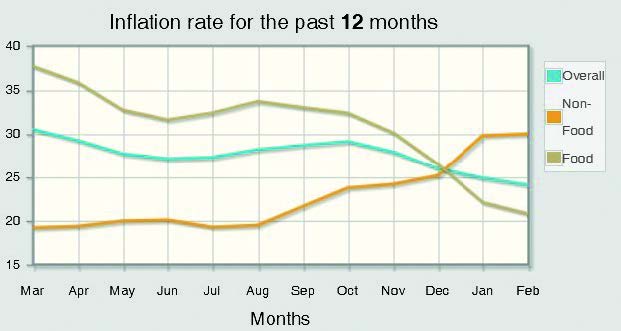
Update: The Economist Intelligence Unit (EIU) projects Malawi's annual average inflation rate will reach 29 percent in 2026, according to Nation Online. The forecast, which nearly doubles the government's target of 15 percent, is largely driven by fuel price increases stemming from the ongoing Middle East conflict. The United Nations and the World Bank have similarly warned that recent reductions in inflation could be reversed by the war. Consumers Association of Malawi executive director John Kapito stated that while global fuel price spikes will negatively impact economic growth targets, a favourable agricultural season might offer slight relief through lower food prices.
Update: Following earlier warnings of market volatility, the Malawi Energy Regulatory Authority (MERA) increased fuel prices significantly on Wednesday, as reported by Club of Mozambique. Petrol prices rose by 34 percent to K6,672 per litre, while diesel increased by 35 percent to K6,687 per litre. MERA indicated that the adjustments reflect a shift by suppliers to fortnightly pricing averages, following a sharp rise in free-on-board petroleum costs between January and March. Meanwhile, the official exchange rate remained flat at K1,733 to the US dollar at the start of April, according to Trading Economics data.