
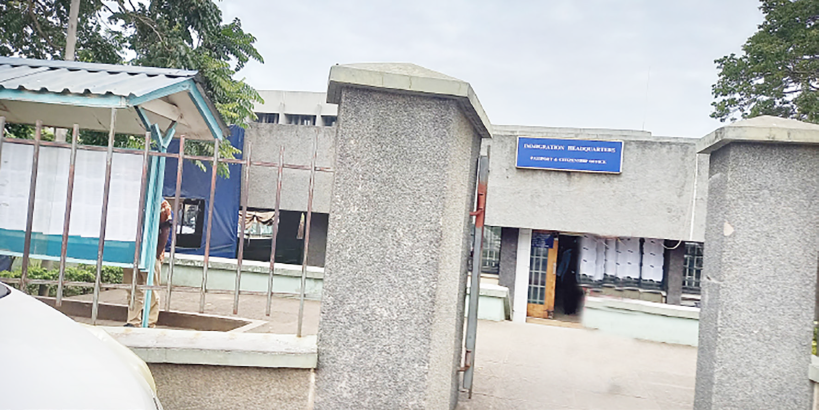
The Anti-Corruption Bureau (ACB) and the Office of the Ombudsman are advancing an investigation into alleged corruption within Malawi's Immigration Department. According to Nation Online, ACB Senior Public Relations Officer Jacqueline Ngongonda confirmed that the bureau reviewed 21 complaints of corrupt practices at the department. Nine cases were authorized for formal investigation, while the remainder were referred to the police as suspected theft cases. Ngongonda stated that the ACB has already concluded three of these investigations, uncovering evidence that implicates four immigration officers in corruption.
The probe was initiated after reports emerged that immigration personnel were using middlemen to extort illegal passport collection fees from applicants. Nation Online reports that the investigation involves multiple government stakeholders, including the Ministry of Homeland Security, the Malawi Police Service, and the National Registration Bureau. The Ombudsman's review is examining wider departmental issues, including human smuggling, tax evasion, and unethical conduct by border control personnel.
In a separate legal development, the Malawi Police Service has reassigned four senior police commissioners to non-active roles while a court battle continues. According to Nation Online, commissioners Christopher Katani, Rhoda Manjolo, Emmanuel Soko, and Chikondi Chingadza received letters placing them in supernumerary positions with no specific operational duties. The officers had previously obtained a High Court injunction to block their initial redeployments late last year.
The government is actively challenging this injunction in court. Nation Online reports that Attorney General Frank Mbeta and Chief Secretary to the President and Cabinet Justin Saidi have filed an application at the Malawi Supreme Court of Appeal to discharge the High Court order. In his affidavit, Saidi argued that the injunction restricts his mandate as head of the public service and creates administrative challenges within the police command structure.