
Malawi's foreign exchange reserves have slightly improved, reaching $608.9 million, which equates to 2.4 months of import cover, according to Nation Online. Data from the Reserve Bank of Malawi shows this is an increase from the 2.0 months of cover recorded in December 2025. However, economists warn the position remains fragile as the country still falls short of the recommended three months of import cover. Analysts noted that Malawi's heavy reliance on imported fuel and fertiliser continues to strain external liquidity.
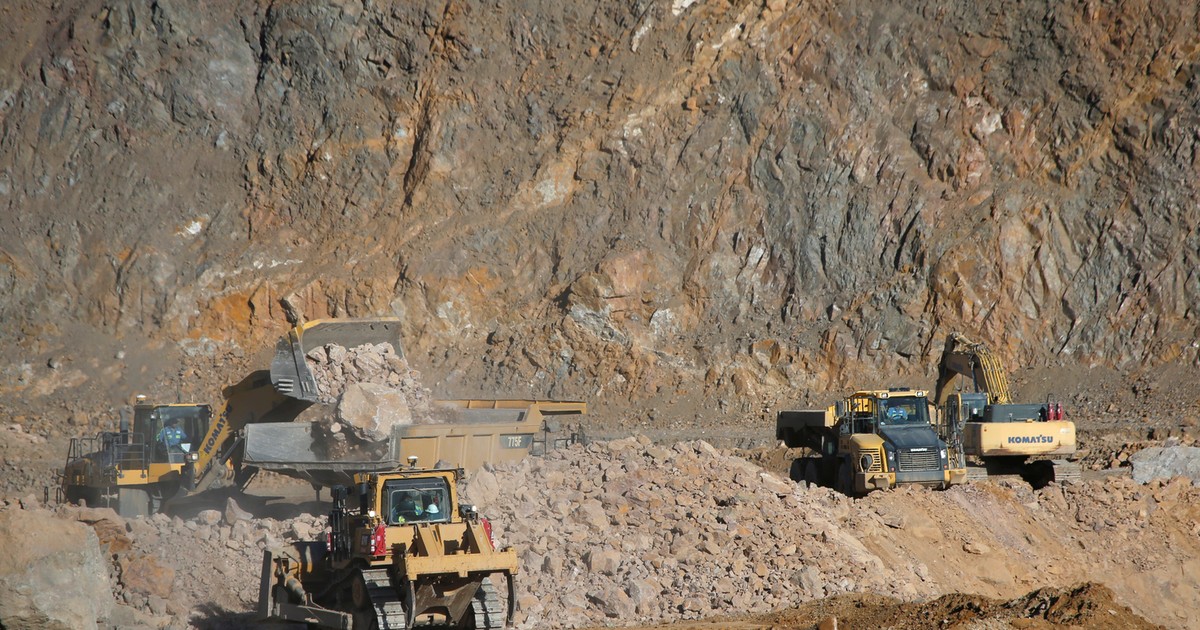
In the mining sector, Australian firm Lindian Resources has secured an A$100 million investment for the Kangankunde Rare Earths Project, Business Insider Africa reports. The debt-free financing allows the company to cover the initial stages of development, with production expected to begin in late 2026. The investment will make Malawi a new supplier of critical minerals used in electric vehicle magnets and renewable energy technologies.
Update: The Malawi Energy Regulatory Authority has officially implemented sharp fuel price increases effective April 1, citing global oil market disruptions linked to the Middle East conflict. According to The Malawi Guardian and AfricaBrief, petrol prices jumped to K6,972 per litre while diesel rose to K6,687 per litre. The adjustment has triggered transport fare hikes in major cities, intensifying the cost of living pressures for households and businesses across the country.
Update: The dispute between the Reserve Bank of Malawi and the Public Service Pension Trust Fund trustees has escalated over the Amaryllis Hotel sale agreement. Nation Online reports that central bank Governor George Partridge extended the deadline for the 12 trustees to pay individual K40 million fines for compliance failures. In response, the trustees have accused the central bank of abusing its regulatory powers, arguing they were fined without a proper hearing and lack recourse due to the absence of a functional Financial Services Appeals Tribunal.