
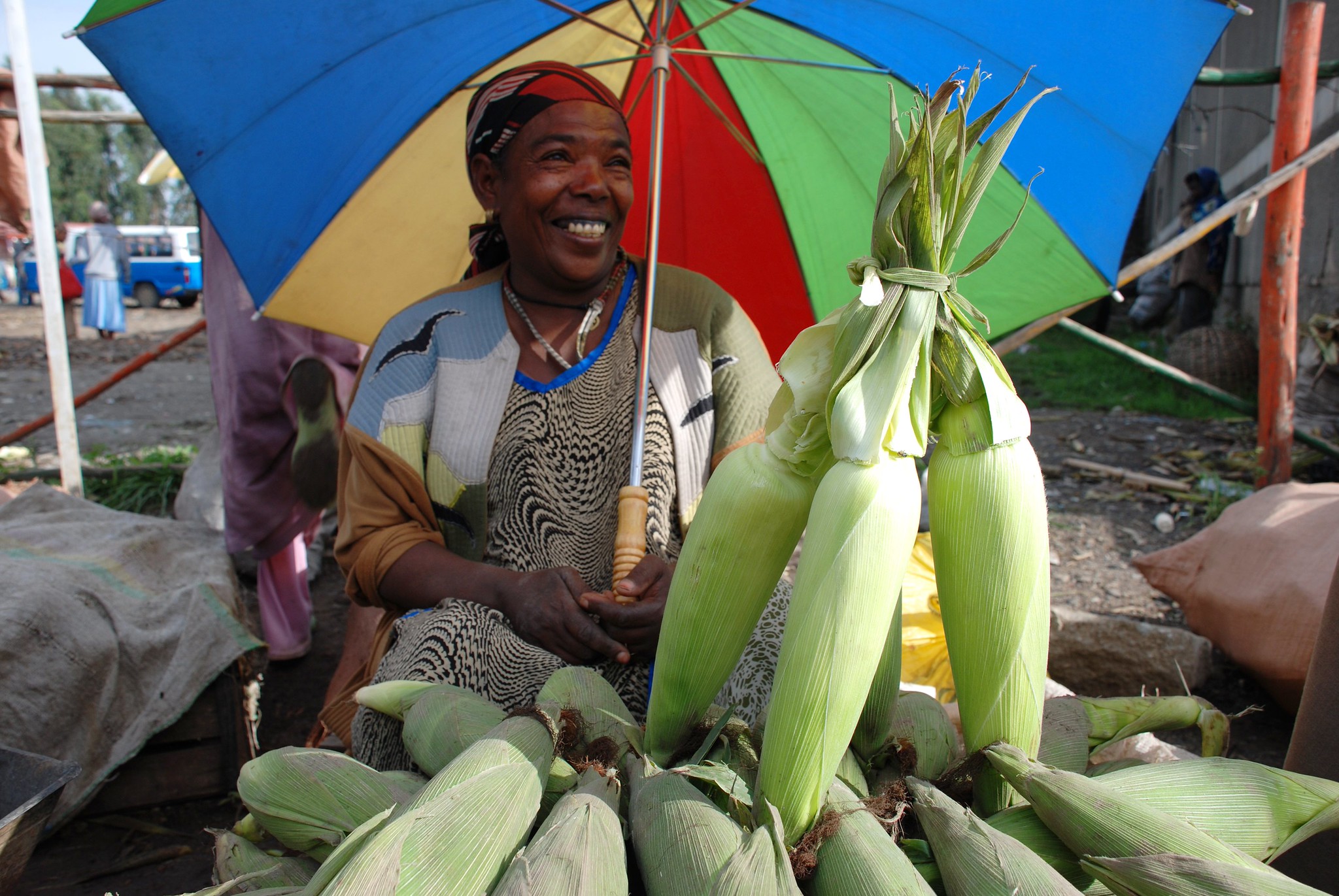
According to a report published by the Food Security Portal on April 3, 2026, Malawi's ongoing dependence on maize is driven by economic constraints rather than a cultural mindset. The study reveals that for low-income and land-constrained smallholder farmers, maize remains the most cost-effective method to meet daily caloric requirements, despite agronomists warning of its vulnerability to climate change. The research indicates that crop diversification efforts frequently fail because alternative grains currently provide only half the energy per hectare compared to maize.
In mining and land rehabilitation news, Crux Investor reports that Sovereign Metals is nearing the second-year harvest of its Kasiya Rutile-Graphite Project agricultural trials. The pilot programme has demonstrated that rehabilitated post-mining land can achieve maize yields of 5.2 tonnes per hectare, a fivefold increase over the regional average of 1 tonne per hectare. The company plans to use this data to help local communities transition from subsistence to commercial farming using a mix of cash and fodder crops.
Update: Expanding on recent food safety laboratory improvements, the Malawi Bureau of Standards has integrated nuclear and isotopic testing equipment into its certification processes, according to the International Atomic Energy Agency. The upgraded facilities can now detect 150 different pesticide residues, mycotoxins, and radionuclides in commodities such as milk, tea, and macadamia nuts. MBS Director General Bernard Thole stated that the enhanced testing ensures local agricultural products comply with domestic safety regulations and international export requirements.