
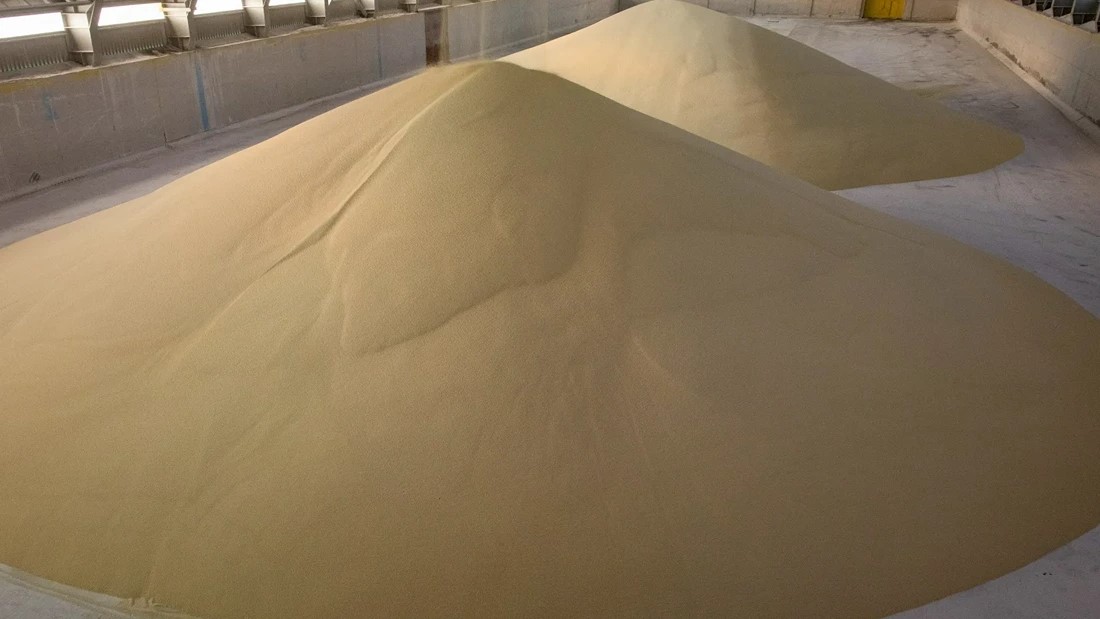
Update: Malawian agriculture and economic experts are urging the government to prioritize regional markets for fertiliser procurement as escalating tensions in the Middle East threaten global supply chains, according to Agri-Malawi. Agriculture policy analyst Leonard Chimwaza warned that the conflict is pressuring the availability and cost of farming inputs. He suggested Malawi use existing trade protocols to source from continental alternatives like Egypt, Nigeria, and Morocco.
The disruption poses severe risks to national food security, Agri-Malawi reported. Economics Association of Malawi President Bertha Chikadza cautioned that rising input and fuel costs will directly lower agricultural productivity and drive up staple food prices. The previous Farm Inputs Subsidy Programme, which concluded in March 2026, was already hampered by procurement delays, prompting calls for proactive agreements ahead of the 2026-2027 farming season.
In a push to diversify the country's crop dependency, Welthungerhilfe and Concern Worldwide released a new report detailing efforts to strengthen district-level food systems beyond maize production. According to Concern Worldwide, the assessment focuses on the Mangochi and Mchinji districts and outlines practical actions to improve local market functionality and support sustainable diets.
These developments occur as food security remains a pressing issue for the nation. An estimated four million Malawians are currently facing crisis-level hunger due to weather shocks and surging global production costs, according to data from the Malawi Vulnerability Assessment Committee.