
African climate leaders and frontline communities have issued a declaration demanding increased climate finance following the 5th African Regional Conference on Loss and Damage held in Lilongwe. According to EnviroNews Nigeria, the communiqué criticized the underfunding of climate response mechanisms and emphasized that Africa continues to bear the heaviest impacts of climate change despite contributing the least to global emissions.
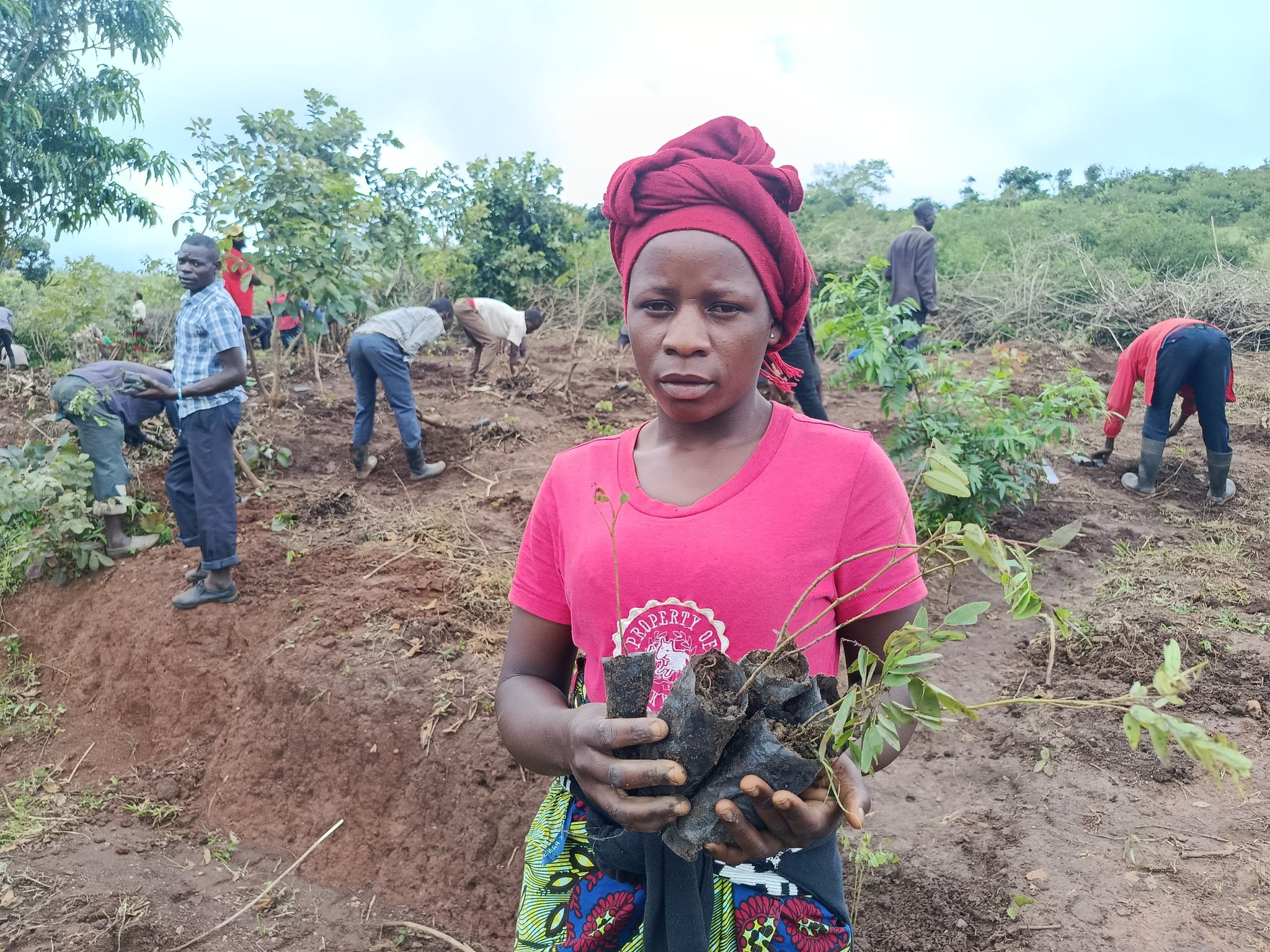
To address local environmental degradation, a recent tree-planting initiative in Dowa District successfully planted 7,200 trees at Mponda Primary School. The Malawi Project reports that the effort, led by Action for Progress and the Department of Forestry, is part of a broader government target to plant 41 million trees in 2026 to counteract an estimated annual forest loss of 42,000 hectares across the country.
In Salima, a local waste management enterprise called Apocalypse Waste Management Solutions is working to reduce municipal pollution by converting collected garbage into organic fertilizer for farmers. According to the United Nations Development Programme, the initiative aims to combat a growing national crisis where approximately 72 percent of waste in Malawi is dumped in water bodies, left in open spaces, or burned.
To help agricultural communities adapt to climate variability, the climate-technology organization TomorrowNow has expanded a digital platform delivering localized weather forecasts to smallholder farmers in Malawi, Kenya, and Zambia. Ethical Business Africa notes that the system provides data-driven advisories to help farmers plan planting and irrigation ahead of extreme weather events.
Meanwhile, the Department of Climate Change and Meteorological Services has issued fresh weather warnings for the coming days. The department forecasts occasionally windy conditions and isolated thunderstorms, which are expected to be heavy over lakeshore and northern areas due to an influx of easterly air masses.