
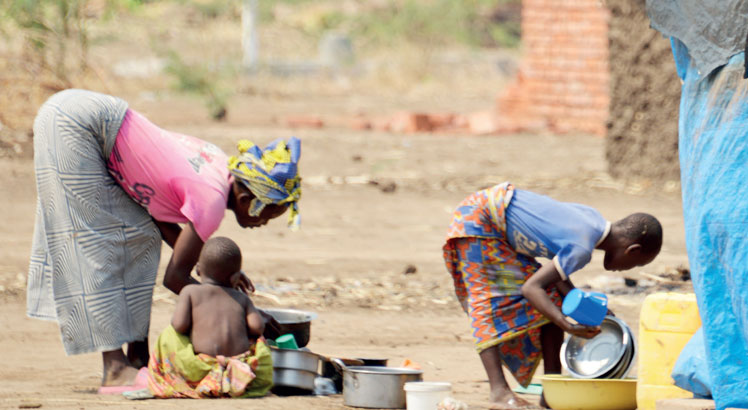
The World Bank has warned that Malawi's macroeconomic instability is likely to persist due to unsustainable fiscal policies and an expanding debt burden, according to Nation Online. In its April 2026 Macro-Poverty Outlook, the institution projected the fiscal deficit will widen to 12.6 percent of GDP in 2026 because of election year spending pressures, pushing national debt above 90 percent of GDP. While real GDP is forecast to grow by 1.9 percent this year, high population growth will lead to a continued contraction in per capita income, keeping the national poverty rate elevated at 76.6 percent.
Update: Malawi now has the most expensive fuel in Africa and the second highest globally behind Hong Kong, Nyasa Times reports. Following a recent price adjustment by the Malawi Energy Regulatory Authority, petrol currently costs $3.84, or K6,972 per litre. The prices are driven by a combination of chronic foreign exchange shortages, a shift toward cost-reflective pricing, and international supply chain disruptions caused by conflicts in the Middle East. The transport and agricultural sectors are reporting severe strain from the surging operational costs.
In banking policy, the Reserve Bank of Malawi has unveiled a new National Payments Systems Strategy aimed at expanding the nation's digital economy, according to the Malawi Broadcasting Corporation. Additionally, the Common Market for Eastern and Southern Africa announced a $25 million facility designed to accelerate renewable energy projects across member states.