
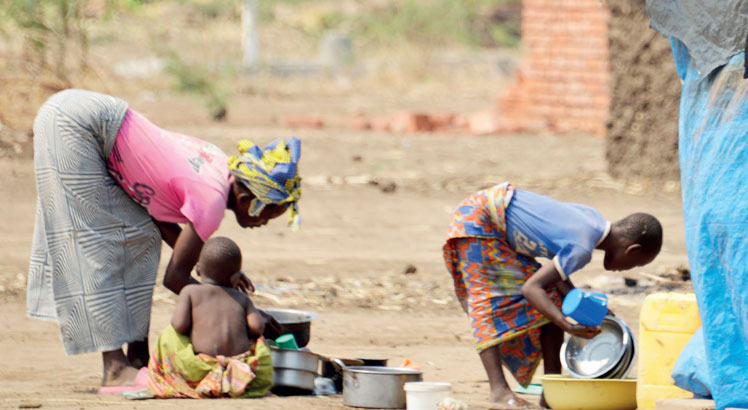
Update: The World Bank has warned that Malawi's macroeconomic instability remains firmly rooted due to unsustainable fiscal, monetary, and exchange rate policies. In its April 2026 Macro Poverty Outlook, the institution projected economic growth of just 2.3 percent for 2026, which translates to a per capita contraction, according to Nation Online. Persistent inflation and foreign exchange distortions continue to limit job creation, with poverty expected to remain high at 76.6 percent this year.
Update: Following recent price hikes by the Malawi Energy Regulatory Authority, Malawi now has the highest fuel prices in Africa and the second highest globally. According to data from Business Insider Africa, petrol reached an equivalent of nearly $4 per litre, second only to Hong Kong, reports Nyasa Times. The steep prices are worsening the cost of living for households and businesses, with transport and logistics sectors already adjusting their rates upward.
As the government seeks to offset foreign aid cuts by increasing domestic revenue collection to fund its K10.9 trillion budget, economic analysts warn that the strategy may fail if systemic corruption is ignored. According to Devex, experts argue that introducing higher taxes and new sovereign wealth initiatives will not stabilise the economy without addressing the long-standing financial leakages that continue to drain public resources.
Update: The controversial acquisition of the Amaryllis Hotel by the Public Service Pension Trust Fund continues to test Malawi's financial governance systems. According to the Mail & Guardian, recent leadership removals and reassignments at the Financial Intelligence Authority and the Anti-Corruption Bureau have drawn criticism from civil society organisations. Legal analysts warn that institutional instability could compromise the ongoing investigation into the politically sensitive pension fund transaction.