
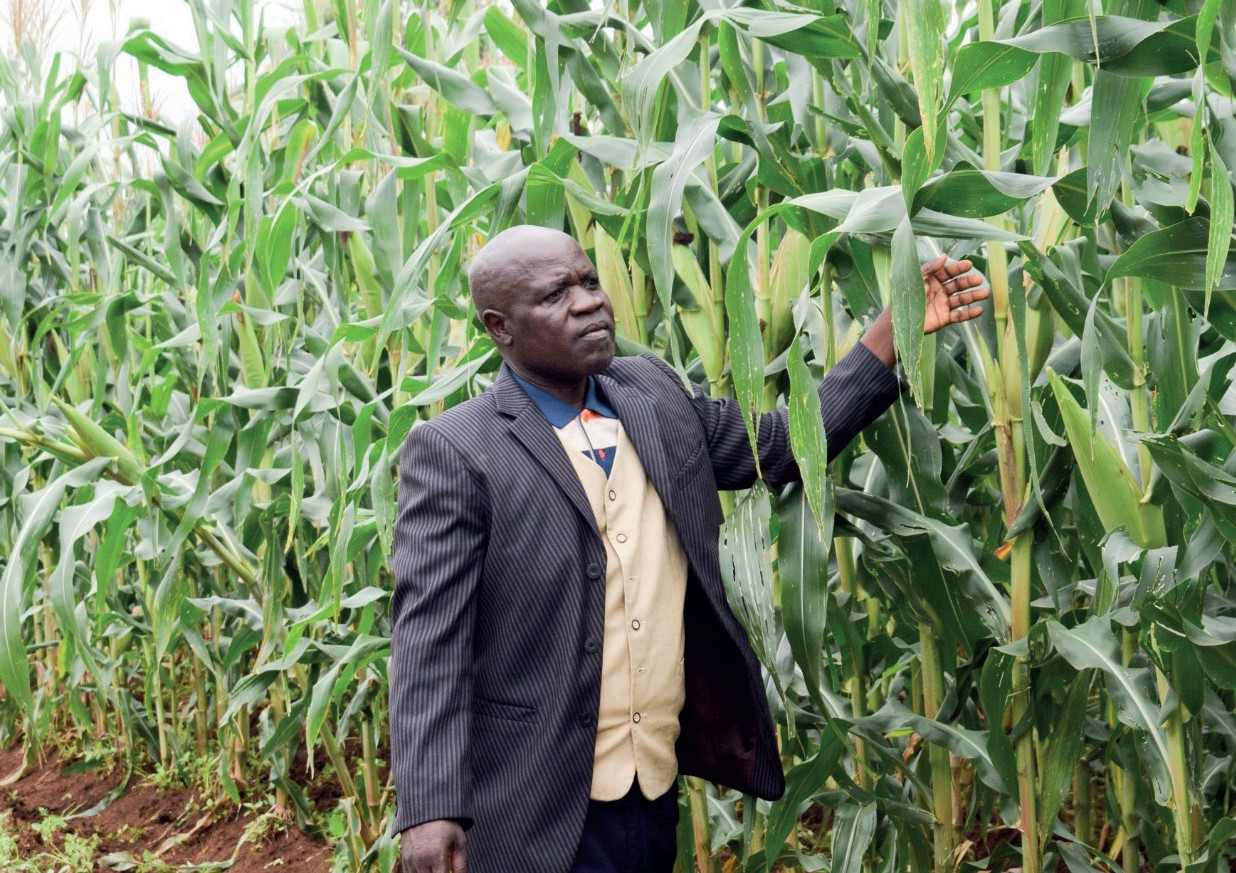
According to Nation Online, farmers and grain traders in Malawi are raising alarms over the government's delay in releasing the first-round crop production estimates for the 2025/26 growing season. Typically released between February and April, the absence of this data is creating market uncertainty and hindering import and export planning. The delay follows a difficult season characterised by early floods and prolonged dry spells across 19 districts, which have disrupted agricultural output and worsened food insecurity risks.
Update: The Farmers Union of Malawi has strongly criticised the government's newly announced minimum farm gate maize price of K900 per kilogramme, down from K1,050 last year, Nation Online reports. Union President Manes Nkhata described the reduced rate as a raw deal, noting that the organisation had proposed K1,200 per kilogramme to help farmers offset surging production costs. Local fertiliser prices have now climbed above K180,000 per 50-kilogramme bag, raising concerns that the current maize prices will discourage commercial production.
Update: The Tobacco Commission expects the 2026 marketing season, opening on April 20, to be cautious as supply is forecast to outpace demand again, according to Ecofin Agency. The commission projects 197,000 tons of tobacco production against a global demand of 170,000 tons. This follows a record-breaking 2025 season where Malawi earned $540 million from the cash crop, driven by a 66 percent surge in export volumes that offset falling average prices.
Update: The government's Mega Farms Unit has intensified agricultural skills training to address productivity gaps across state-run projects, according to the Malawi Broadcasting Corporation. Supported by the Food and Agriculture Organization, the initiative focuses on improving crop yields, livestock management, and irrigation practices. Officials stated the programme aims to raise maize productivity to at least four metric tonnes per hectare while helping farmers adapt to erratic rainfall and climate variability.
Update: Continued heavy rains and severe flooding in southern Malawi have worsened the strain on the agricultural sector. According to fundsforNGOs, floodwaters in areas like Chikwawa District have destroyed vital crops, swept away farmland, and displaced tens of thousands of residents, compounding the country's food security challenges ahead of the harvest season.