
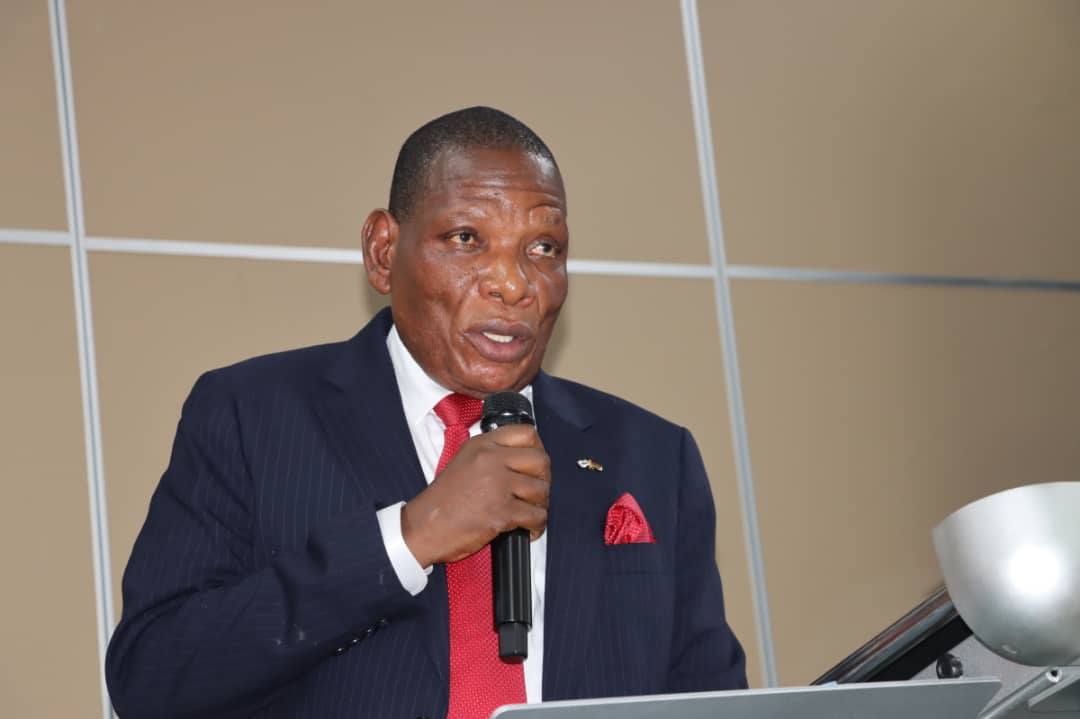
Finance Minister Joseph Mwanamvekha, attending the World Bank and International Monetary Fund Spring Meetings in Washington, announced that the World Bank has approved Malawi's application for a Rapid Response Facility. According to Nyasa Times and Nation Online, the emergency funding is intended to cushion the Malawian economy against inflationary pressures caused by global conflicts. Mwanamvekha admitted that the government has not yet determined the exact funding amount it will request, but he noted that discussions with the IMF remain positive regarding the country's fiscal and monetary reforms.
Update: The Malawian government has sold a portion of gold from its international reserves to pay $30 million to suppliers and release fuel shipments from ports, The Nation reports. Information Minister Shadric Namalomba stated that the government expects the African Export-Import Bank to release a requested $120 million loan within the coming week to further stabilise fuel supplies. Meanwhile, the IMF's latest Regional Economic Outlook warns that the Reserve Bank of Malawi and other regional central banks must carefully balance inflation control with economic growth as global fuel prices rise.
In global health cooperation, Malawi has launched its second AVoHC SURGE emergency responder training cohort in Lilongwe, according to Funds for NGOs. Backed by the World Health Organization, the World Bank, and the Pandemic Fund, the 27-day programme trains 104 participants from various ministries. The initiative aims to strengthen the country's capacity to handle health emergencies, including cholera, mpox, and climate-related disasters, by adopting a joint approach to human and environmental health.
Update: An analysis under the UNICEF and International Telecommunication Union Giga partnership reveals that 85.8 percent of Malawi's 8,939 schools operate without internet access. According to Ecofin Agency, a recent school connectivity report highlights that nearly 47 percent of the schools also lack electricity. This presents a structural barrier to digital literacy for over 6 million students across the country.